






Allergy Facts
Allergy Facts, Figures, and Stats
An allergy occurs when the body’s immune system sees a substance as harmful and overreacts to it. The reactions can range from mild to severe and can cause a medical emergency.
Understanding allergic conditions is crucial for effective advocacy and support. By raising awareness and promoting education, we can empower communities to act now to support and improve the health of millions.
On this page:
What is an allergy?
What are examples of allergic conditions?
How many people in the U.S. have allergies?
How many allergy emergency visits per year?
What is the risk of dying from allergic reaction?
How many people have seasonal allergies?
What are allergic skin conditions?
How many people have allergic skin conditions?
How common are food allergies?
How many people have drug allergies?
How many people have latex allergy?
How many people have insect allergy?
How many people have nasal polyps?
How much do allergic conditions cost the United States each year?
Printable fact sheets
What Is an Allergy?
An allergy is when the immune system reacts to a foreign substance, called an allergen. This reaction causes specific clinical symptoms. The allergen could be something you eat, inhale into your lungs, inject into your body, or touch.
- An allergic reaction can cause coughing, sneezing, hives, rashes, itchy eyes, a runny nose, swelling, and a scratchy throat. In severe cases, it can cause low blood pressure, breathing trouble, asthma attacks, and even death if not treated promptly and appropriately.
- There is no cure for allergies. You can manage allergies with exposure control, prevention, and medical treatment.
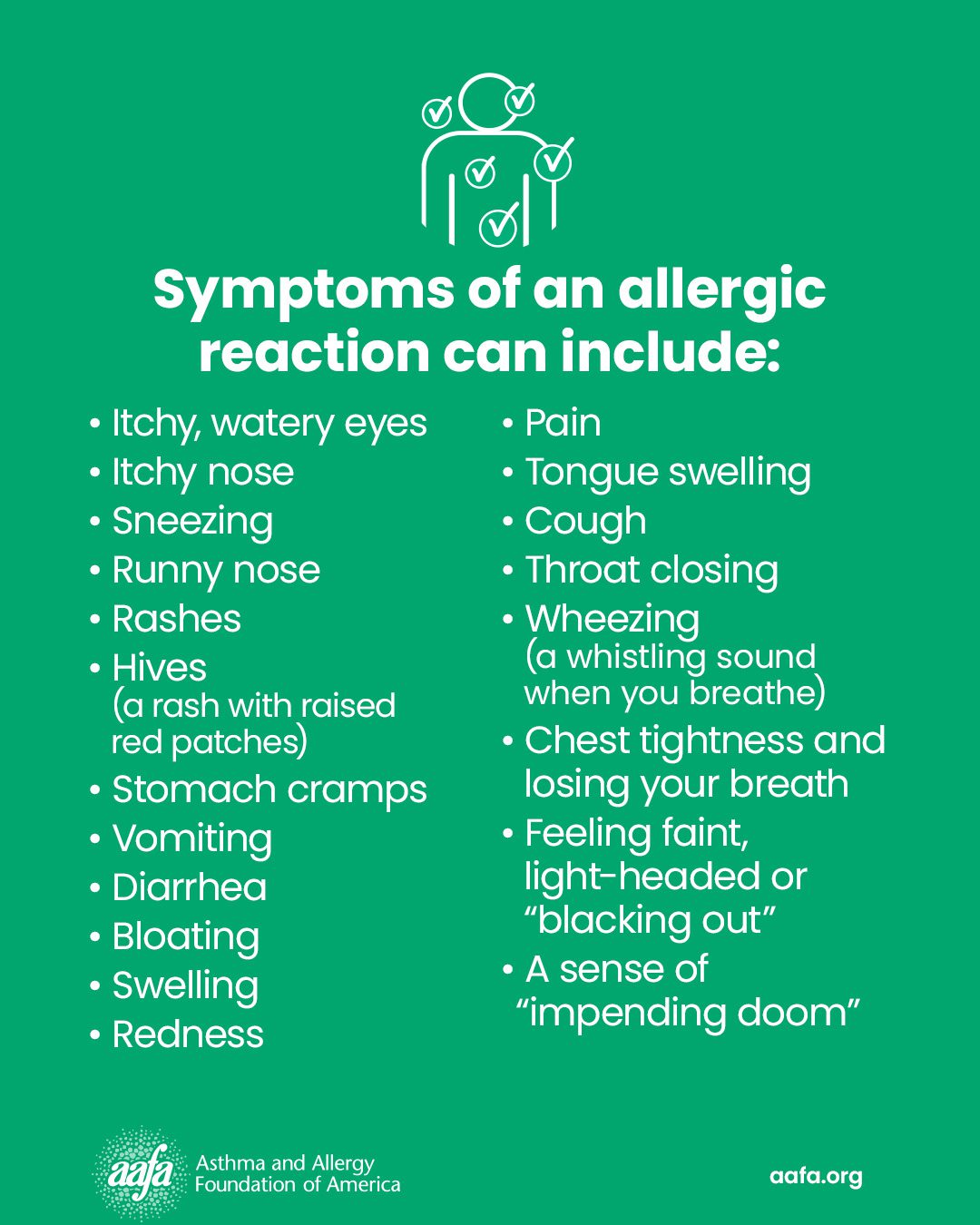
Symptoms of an allergic reaction
The severity of symptoms during an allergic reaction can vary from mild to severe.
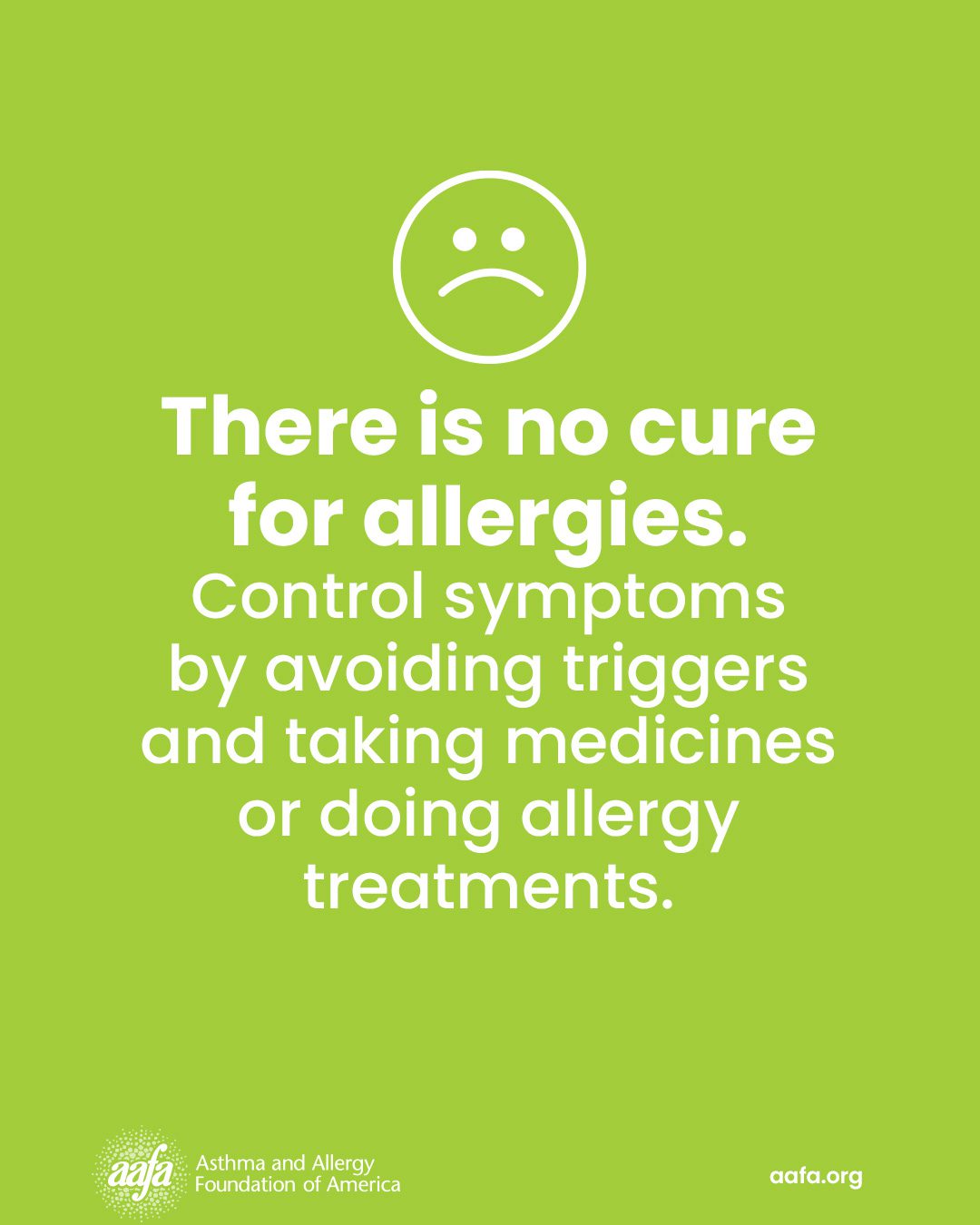
No cure for allergies
There are many options available to treat allergies, including over-the-counter and prescription medicines.
What Are Allergic Diseases?
Allergic diseases are a set of conditions that happen when an allergen triggers an immune response in the body (called hypersensitivity). The immune response triggers symptoms that can range from mild to severe. Some of these symptoms can cause long-term damage to the body. Many of these conditions are driven by the same inflammation process.
List of allergic conditions include:
- Allergic asthma
- Allergic rhinitis [rie-NIE-tis] and rhinosinusitis [rie-noh-sigh-nuh-SIGH-tuhss]
- Allergic conjunctivitis [kun-junk-tih-VY-tis]
- Allergic bronchopulmonary aspergillosis (ABPA) [BRONG-koh-PUL-moh-nair-ee ASS-pur-jil-OH-sis]
- Allergies (food, medicine, pollen, animal matter, insect stings and bites, mold, latex, and other substances)
- Anaphylaxis [anna-fih-LACK-sis]
- Atopic dermatitis (eczema)
- Cell-mediated food allergies: eosinophilic esophagitis [EE-oh-sin-oh-FILL-ick eh-sof-uh-JIE-tis], food protein induced enterocolitis syndrome [en-tuh-roh-koh-LIE-tis]
- Chronic hives (urticaria) [ur-tuh-CAR-ee-uh]
- Chronic sinusitis [sigh-nuh-SIGH-tuhs]
- Contact dermatitis
- Hypereosinophilic syndrome [hie-per-ee-o-SIN-o-phil-ik]
- Hypersensitivity pneumonitis [noo-muh-NIE-tis]
- Mast cell activation syndrome
- Nasal polyps
- Occupational asthma or allergy (caused by substances in the workplace)
- Systemic mastocytosis [mas-toe-sigh-TOE-siss]
How Common Are Allergies?
Allergies are among the most common, but overlooked, diseases in the United States.
- More than 106 million people in the U.S. experience various types of allergies each year. This equals about 31 out of 100 (or 1 out of 3) people in the United States. Common examples include seasonal allergies, eczema, and food allergies.1,2
- Nearly 32 out of 100 U.S. adults and more than 30 out of 100 U.S. children have a seasonal allergy, eczema, or food allergy.1,2
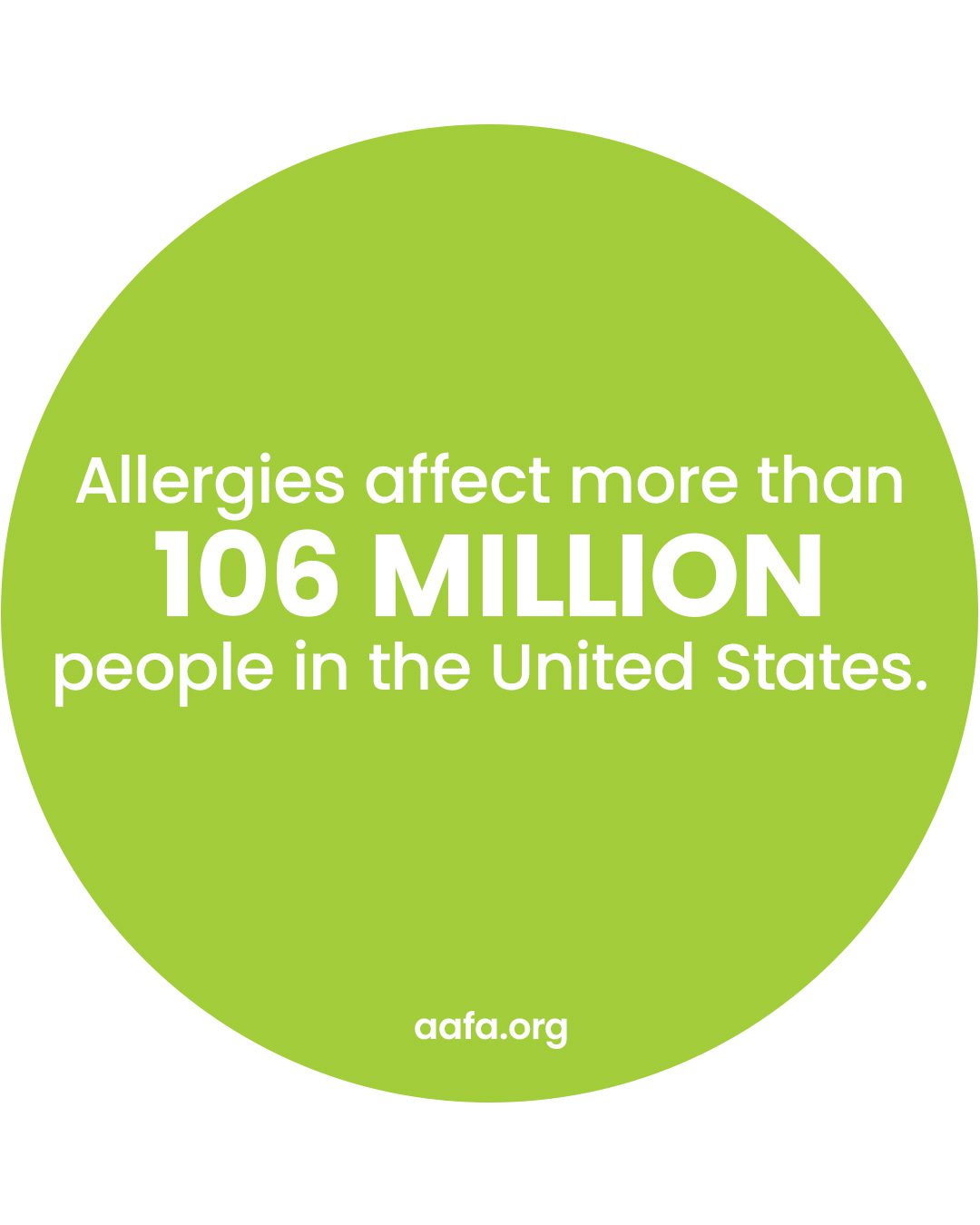
Allergies affect more than 106 million people in the U.S.
This includes people who have seasonal allergy, eczema, or food allergy.
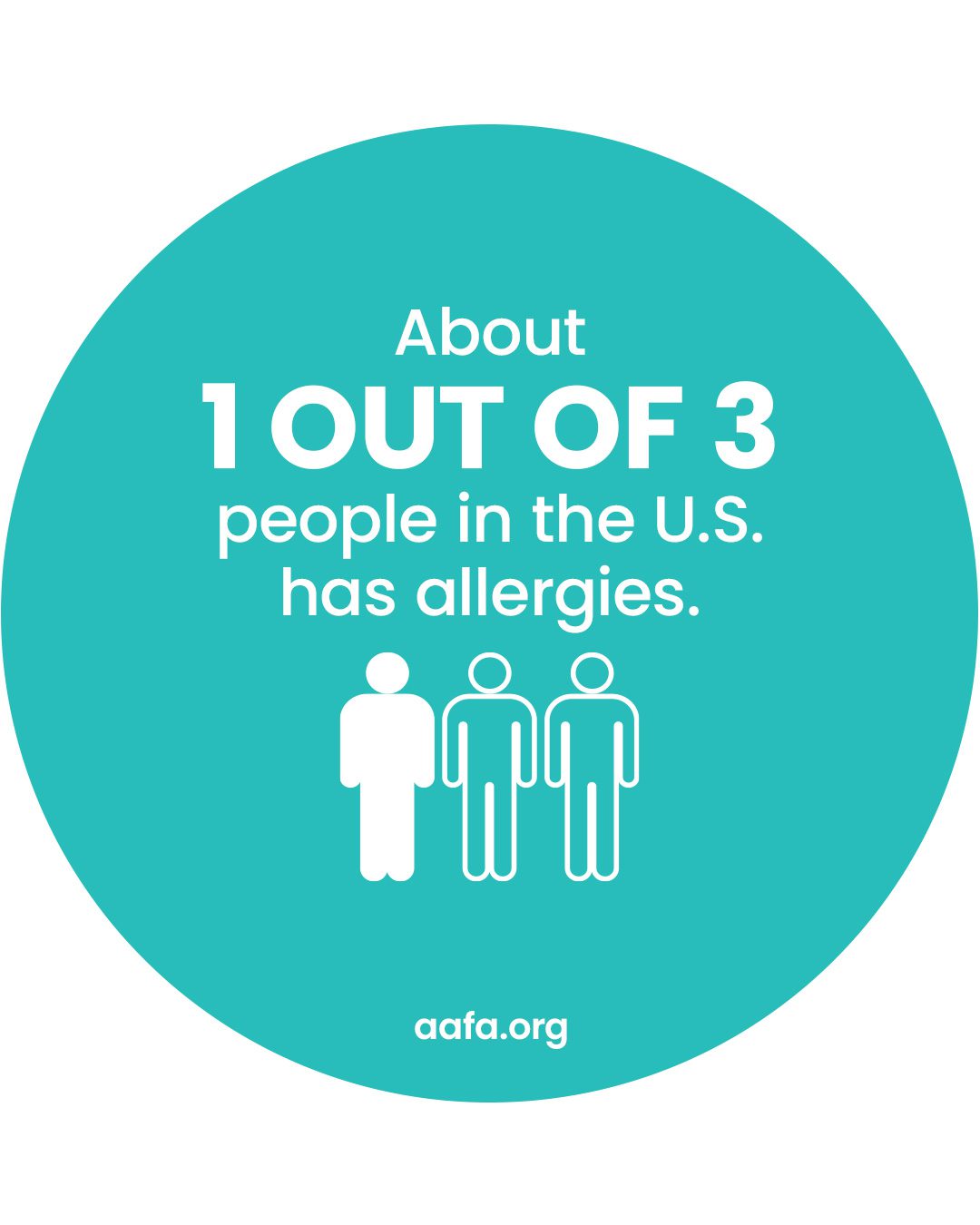
1 out of 3 people has allergies
Allergies are one of the most common chronic conditions in the U.S.
How Many People Seek Medical Care for Allergies?
- Allergic conditions are one of the most common health issues affecting children in the U.S.3
- On average, it is estimated that anaphylaxis (a severe allergic reaction) results in 45,000-50,000 emergency room visits in the United States each year.4
- From 2008 to 2016, emergency room visits for anaphylaxis more than doubled.4
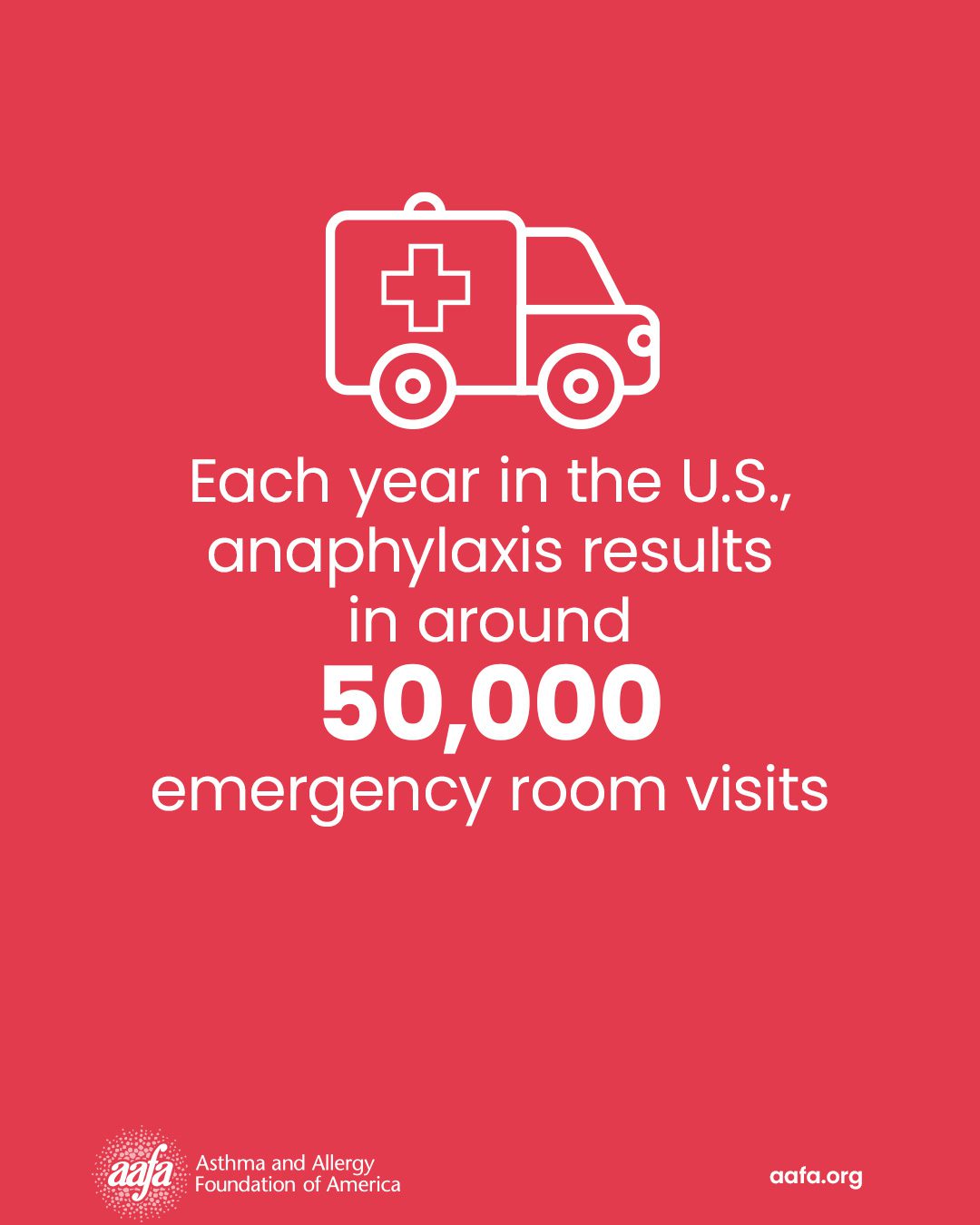
Number of ER visits for anaphylaxis
Anaphylaxis is a serious allergic reaction that can happen if you are allergic to certain foods, medicines, insect bites and stings, or latex. It requires immediate treatment with epinephrine.
Do People Die from Allergies?
- While the rates of allergies are steadily rising, the overwhelming majority of allergy emergencies do not result in death. It is rare to die from an allergic reaction – the probability is very low. Estimates of allergy-related deaths in the U.S. are around 200-500 people per year.5
- The most common triggers for serious allergic reactions (anaphylaxis) are medicines, food, and insect stings.6 Medicines cause most allergy-related deaths.7
- Of people who die from allergic reactions, most are older adults (over age 65) due to allergic reactions to medicines.7
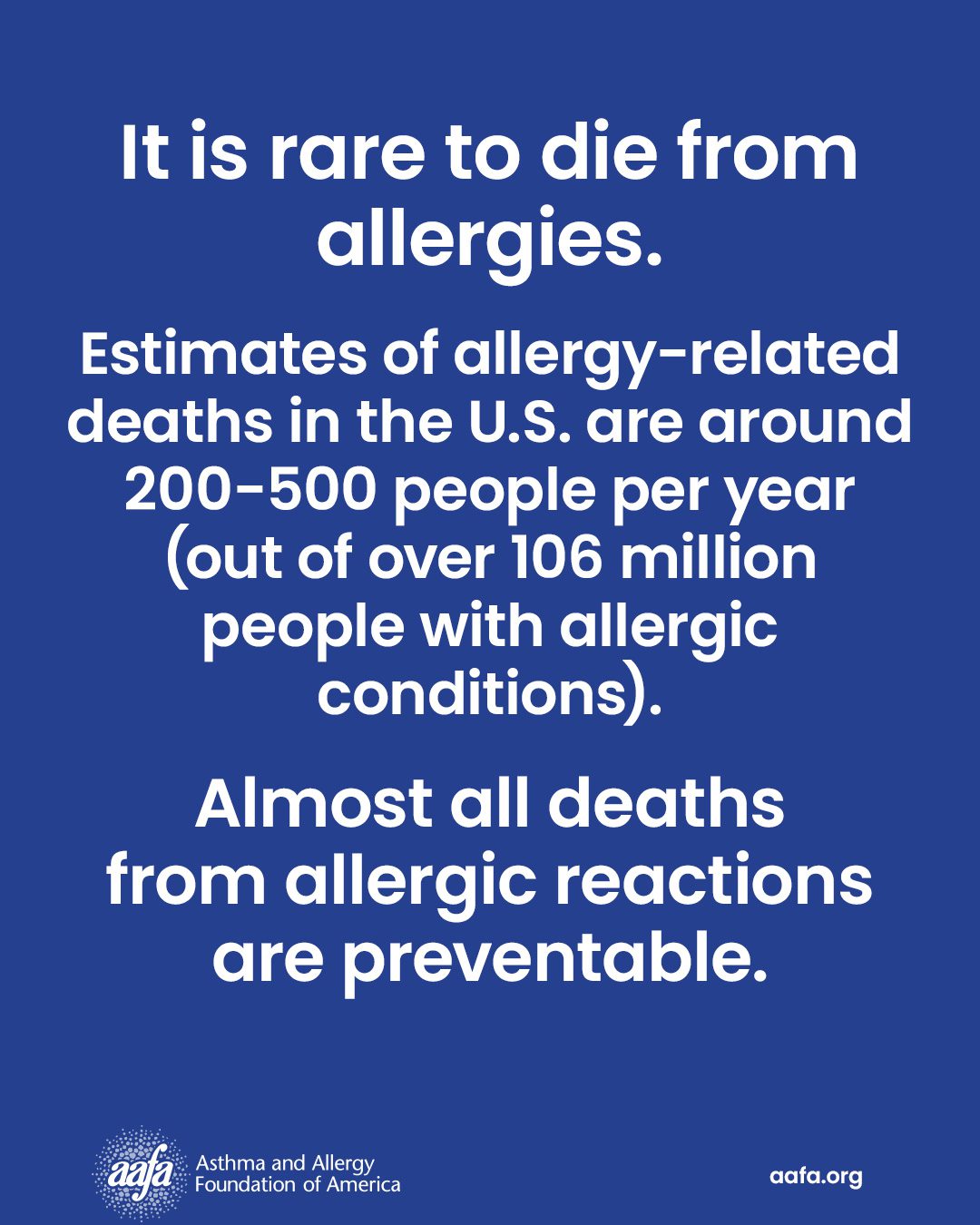
Allergies very rarely cause death
You can prepare for anaphylaxis by having anaphylaxis action plan, keeping epinephrine with you at all times, and avoiding your allergens.
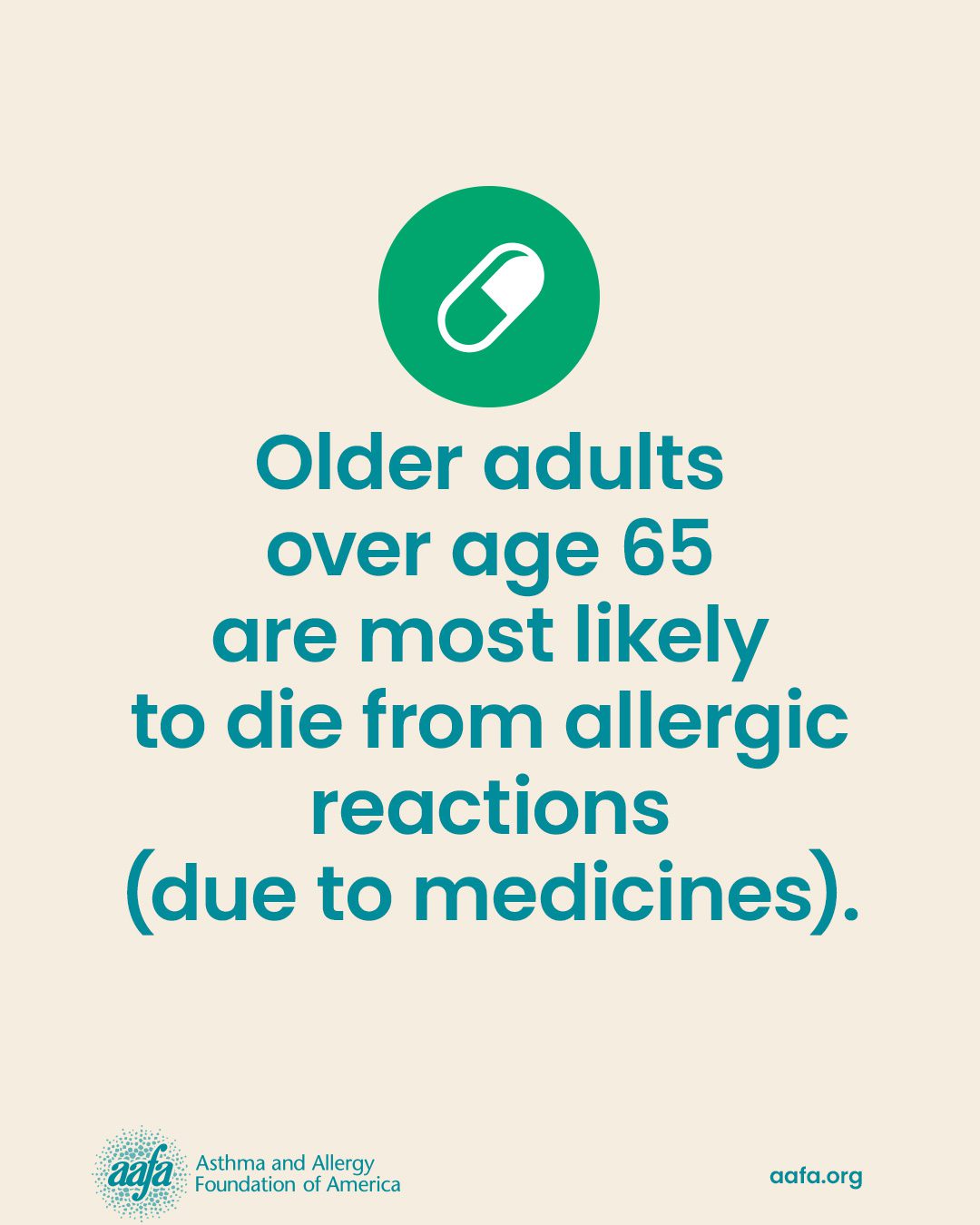
Rate of anaphylaxis in older adults
Older adults are more likely to die from allergic reactions due to comorbidities (other health problems) like heart and lung conditions and lack of timely treatment with epinephrine.
How Common Are Seasonal Allergies?
- In 2024, more than 82 million people in the U.S. were diagnosed with seasonal allergic rhinitis (seasonal allergies). This equals:
- Around 67 million adults, which is 25 out of 100 adults, and
- Around 14 million children, which is 21 out of 100 children.1,2
- Seasonal allergic rhinitis is an allergic reaction to pollen from trees, grasses, and weeds. This type of rhinitis occurs mainly when pollen from trees (spring), grasses (summer), and weeds (fall) are in the air. People with certain mold allergies may also have seasonal allergies when mold counts increase during wet seasons.
- In 2024, non-Hispanic Black adults and non-Hispanic White adults were more likely to have a seasonal allergy than Hispanic and non-Hispanic Asian adults.1
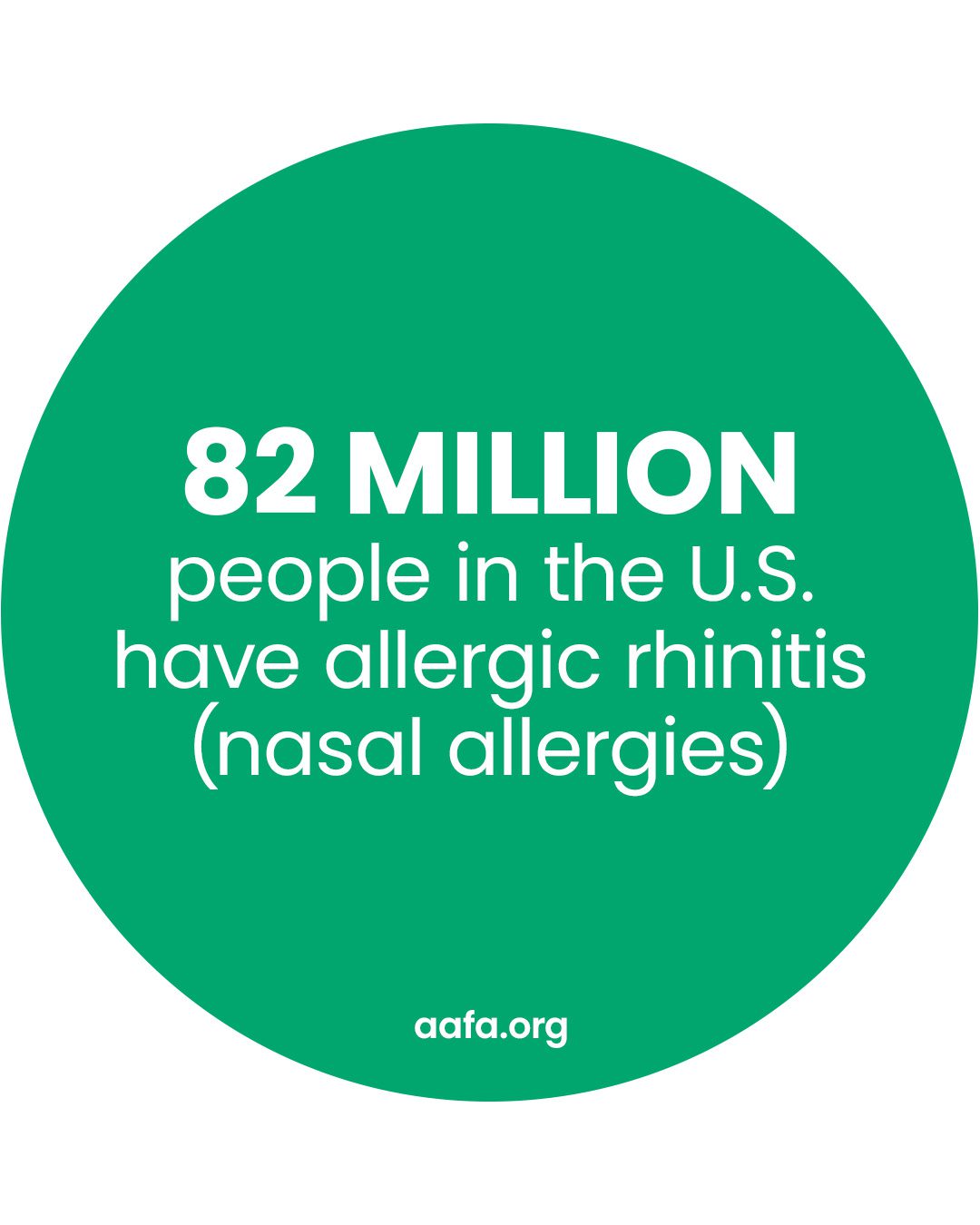
Allergic rhinitis is the most common allergic condition
Rhinitis is a condition where your nose becomes inflamed (swollen). Allergens, irritants, smoke, and viruses can cause rhinitis.
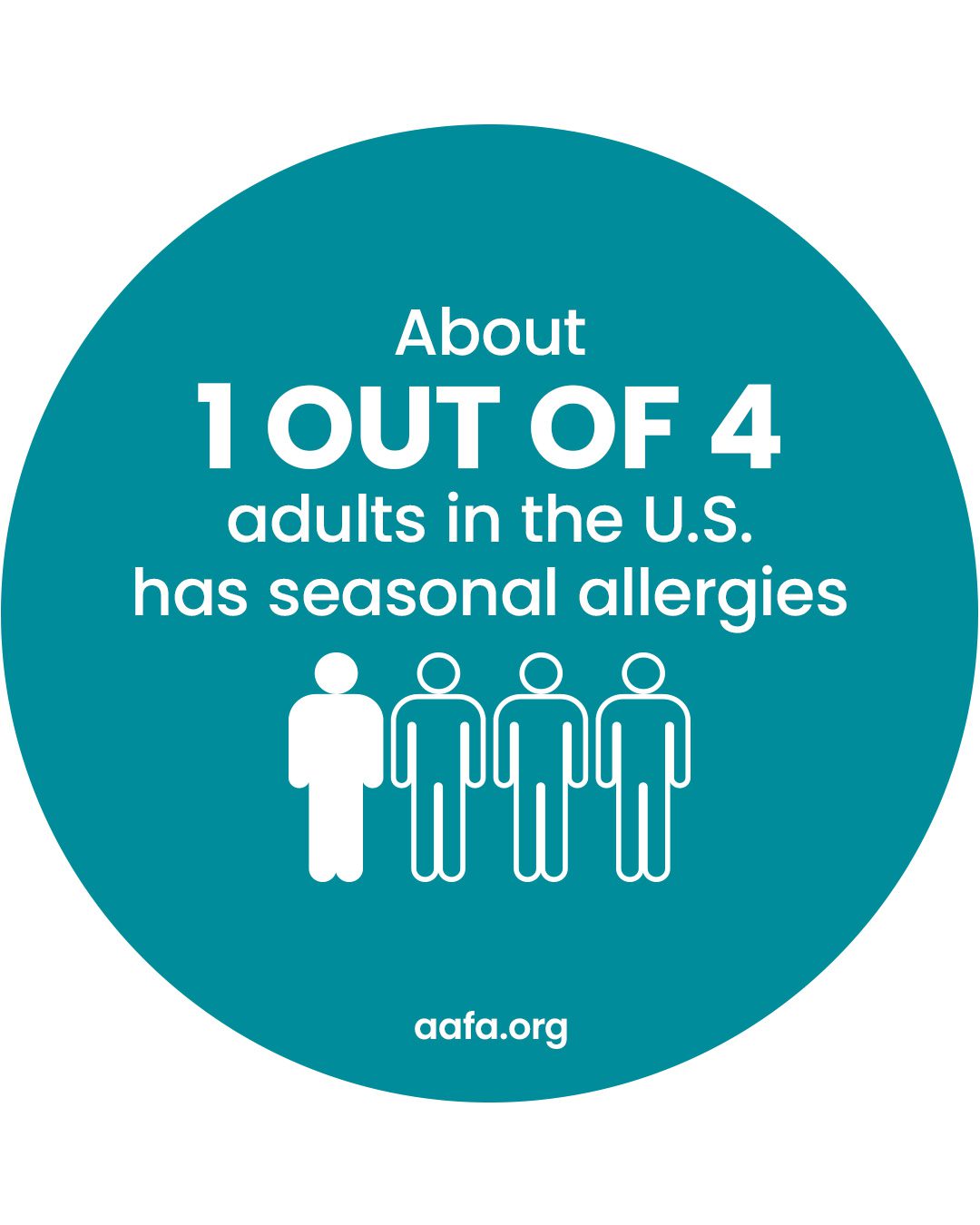
About 25% of adults in the U.S have seasonal allergies
Seasonal allergies are caused by an allergic reaction to pollen from trees, grasses, and weeds or to seasonal molds.
What Are Allergic Skin Conditions?
Allergic skin conditions are a set of conditions that happen when an allergen triggers an immune response in the body that appears on the skin. Skin allergies are driven by inflammation and include eczema (eg-zuh-MUH), hives, chronic hives, and contact allergies.
Allergic contact dermatitis
Allergic contact dermatitis is also called contact allergy or skin allergy. It is an allergic reaction on the skin in response to coming in contact with a substance.
- The most common triggers of allergic contact dermatitis or contact allergies are:15
- Certain plants (such as poison ivy, poison oak, poison sumac) 12
- Metals such as nickel or cobalt
- Preservatives found in cosmetics, industrial products, and cleaning products
- Fragrances used in perfumes, soaps, lotions, and some personal care products
- Rubber and plastic products, such as those containing latex
- Hair dyes
- Skin contact with cockroach or dust mite matter and certain foods may also cause contact dermatitis
Atopic dermatitis (eczema)
Atopic dermatitis is the most common type of eczema, a group of chronic skin conditions.
- Common symptoms of atopic dermatitis include:
- Itchy skin
- Skin discoloration
- Redness on lighter skin tones
- Darkening (hyperpigmentation) on darker skin tones that may appear brown, purple, gray, or red
- Lightening which causes the patch to be a lighter shade than overall skin tone
- Swelling
- Rash that is often dry, flaky, or scaly
- Small blisters that ooze and crust
- Common triggers of eczema are:16
- Allergens like pollen, mold, dust mites, and pet (animal) dander
- Environmental factors like cold, dry air and air pollution
- Certain chemicals, including fragrances and dyes
- Certain fabrics, like wool, which can be rough and irritating
- Physical and emotional stress
- Illness
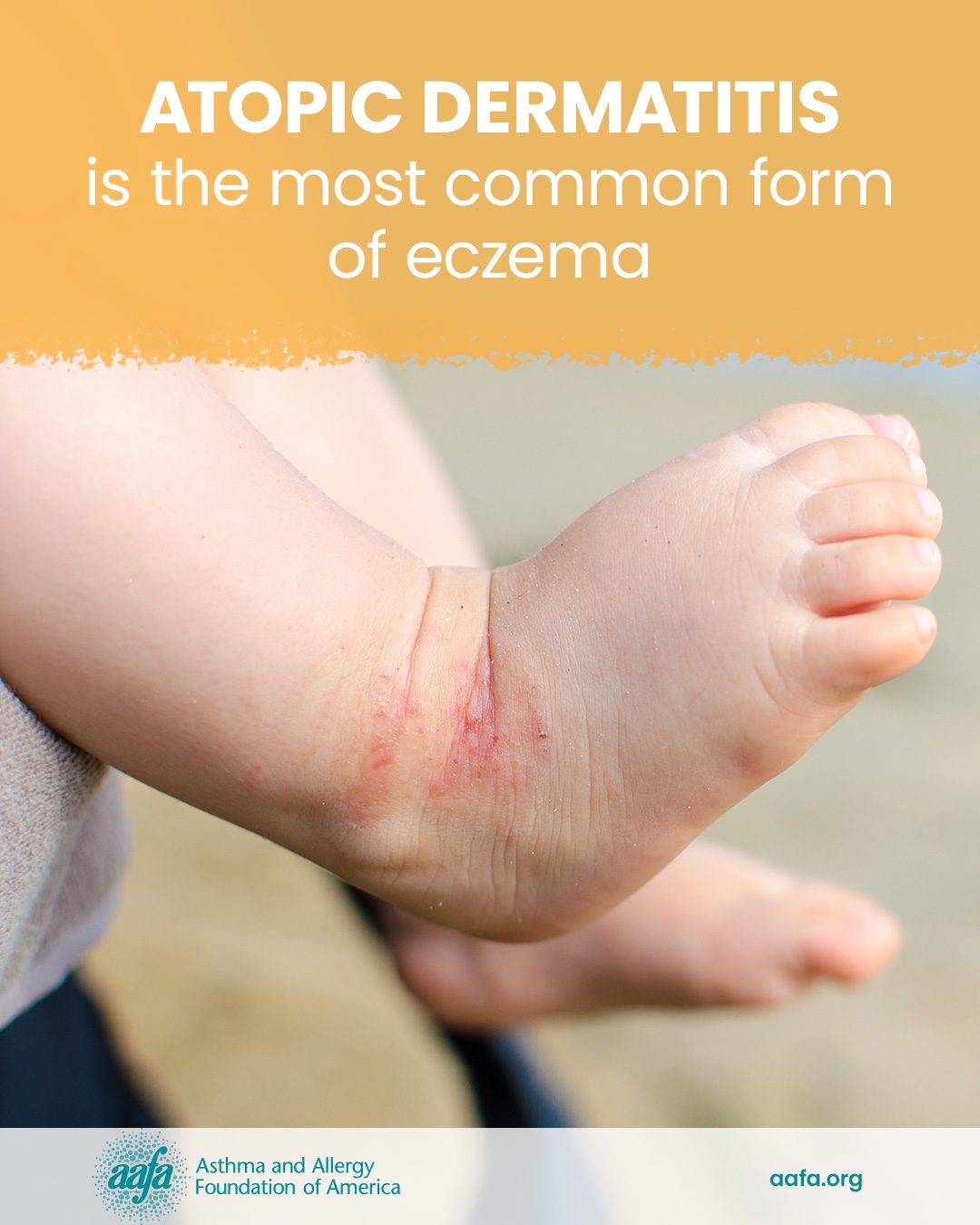
Atopic dermatitis is the most common form of eczema
Eczema affects around 30 million people in the United States. Atopic dermatitis is more common in infants and young children but can occur at any age.
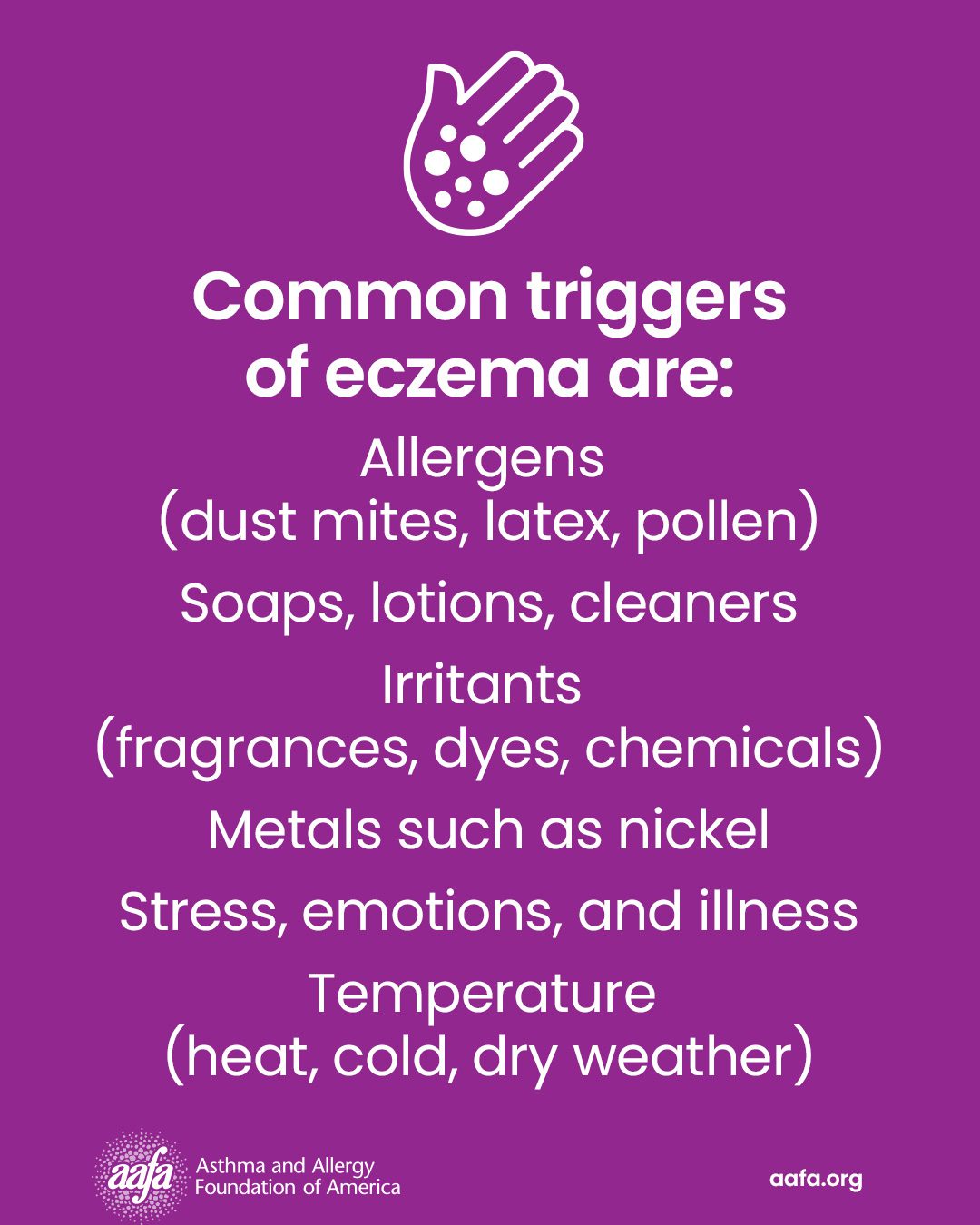
Common eczema triggers
Eczema can worsen when the skin comes into contact with irritating substances, or when the body is under stress or exposed to hot, cold, or dry weather.
Urticaria (hives)
Hives are itchy raised bumps on the skin called welts or wheals. They can range in size and appear anywhere on the body. They can look like bug bites.
- Hives can be acute (lasting a short time) or chronic (long-lasting). For example, acute urticaria involves skin symptoms for 6 weeks or less and chronic urticaria has skin symptoms for more than 6 weeks.
- Urticaria can be spontaneous (with no known cause) or inducible (with a known cause).
- The most common triggers for chronic inducible urticaria (CIndU) are pressure, friction or scratching, cold, heat, or sun exposure.17
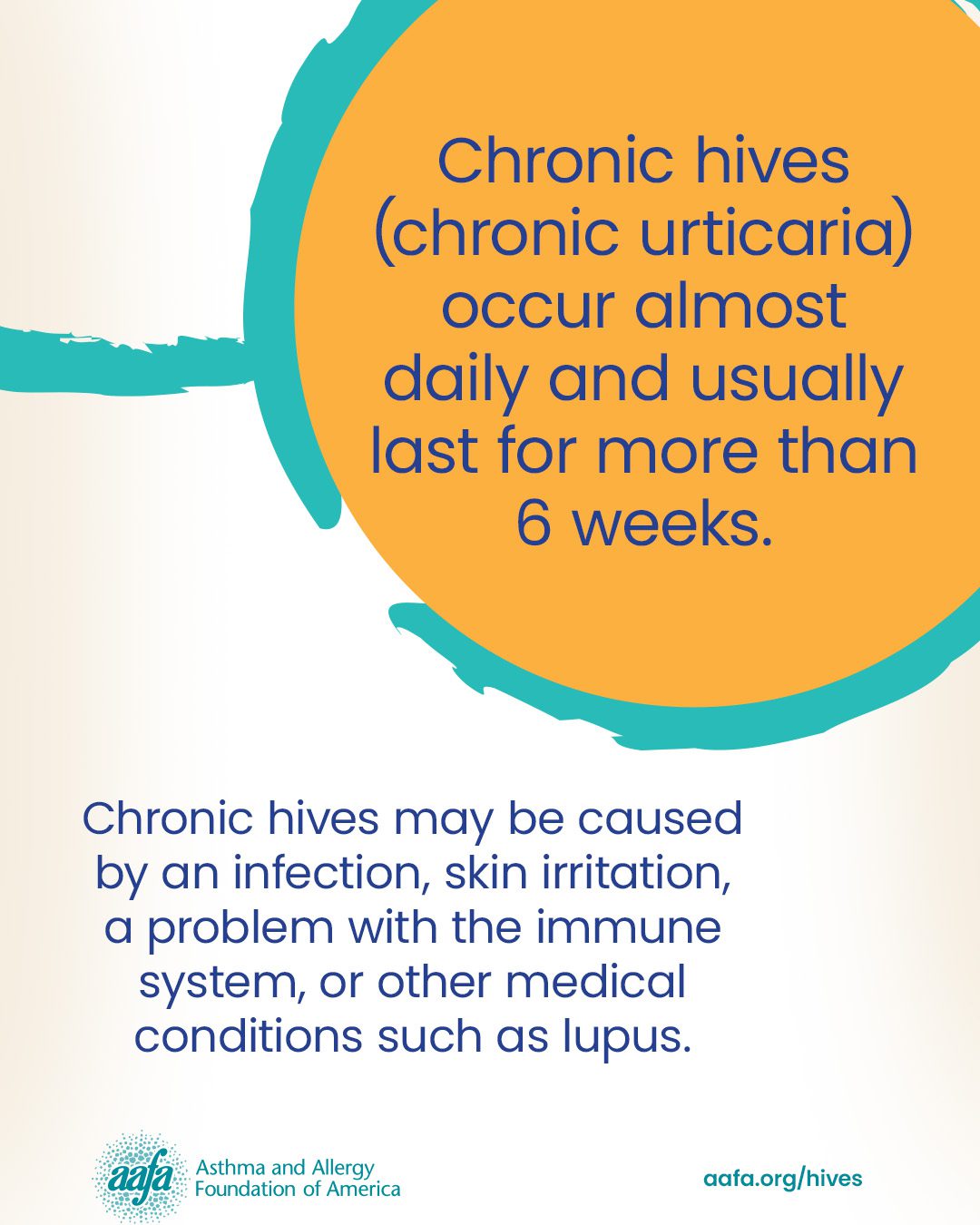
Chronic hives last longer than 6 weeks
There are several different causes for hives. Short-term (acute) hives are a common sign of an acute allergic reaction. Hives can also occur due to other causes, including a viral or bacterial infection, or due to no known cause and can last for weeks or longer.
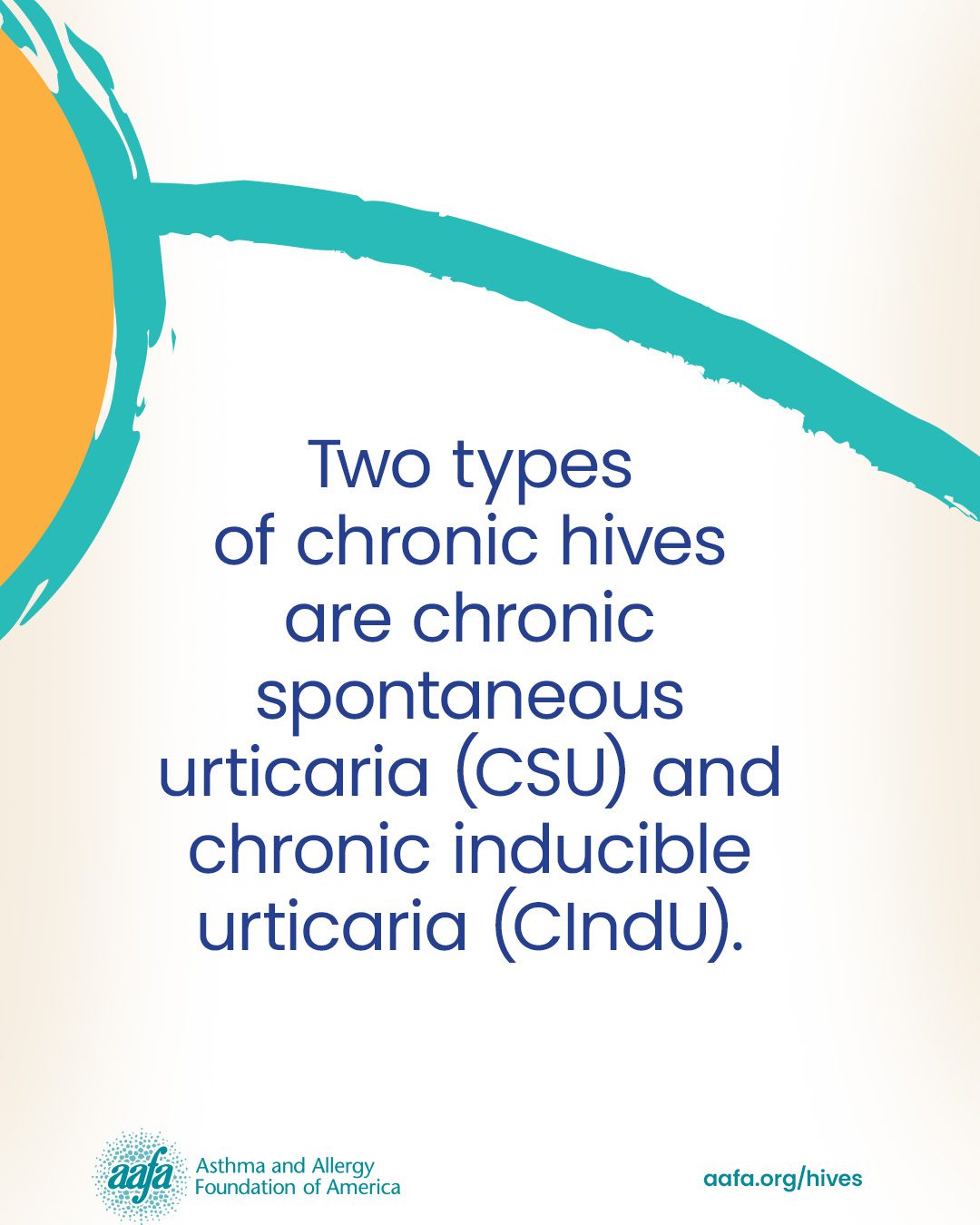
Two types of chronic hives
CSU has no known trigger, while CIndU is triggered by an external stimulus like cold, heat, sun, or pressure.
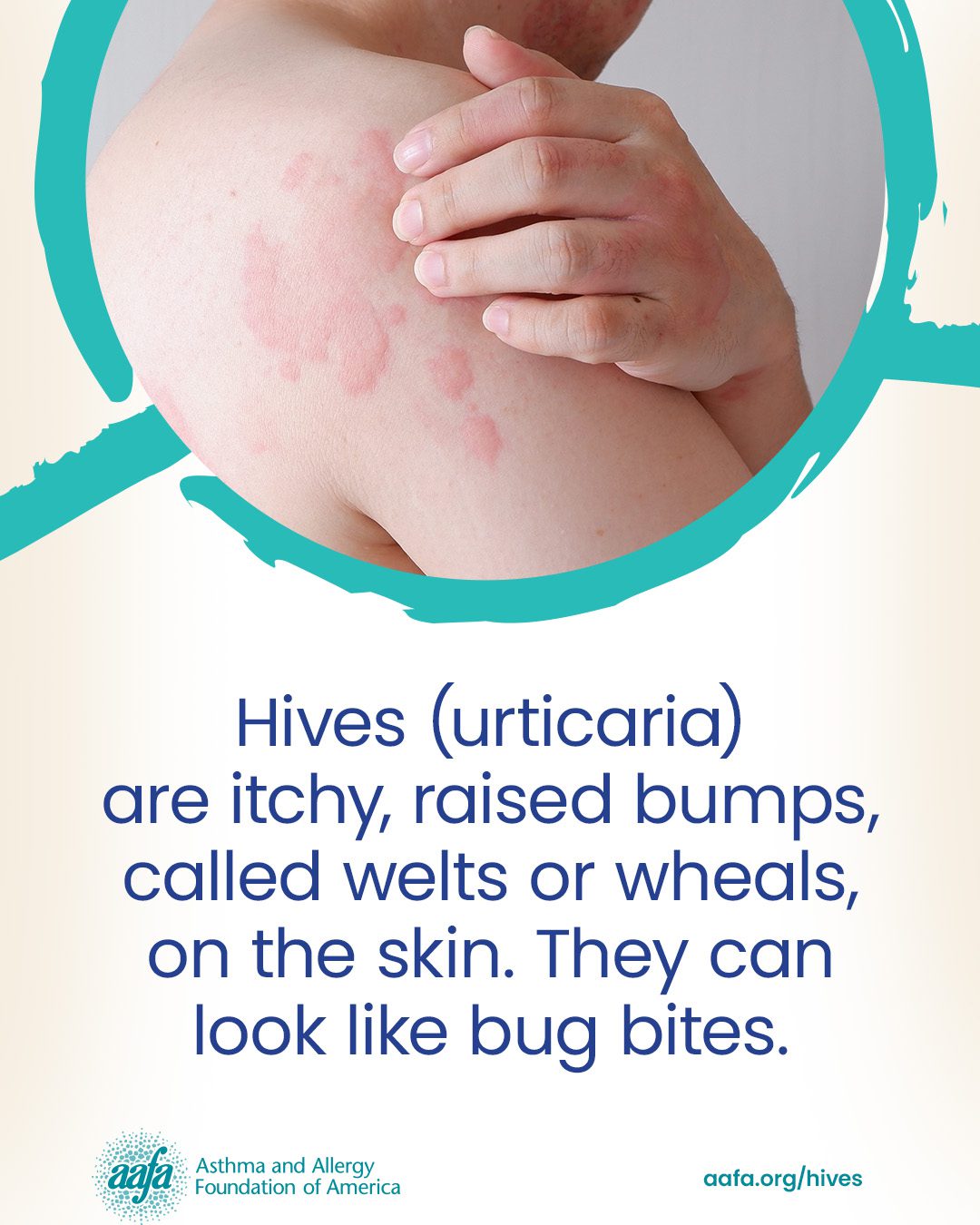
What do hives look like
Hives are raised bumps on the skin. On lighter skin tones, they appear red or pink. On darker skin tones, hives often appear the same color as the skin or slightly lighter, or purple, dark brown, or gray. Hives are itchy
How Common Are Allergic Skin Conditions?
Eczema
- In 2024, nearly 21 million adults had eczema. This equals around 8 out of 100 adults.1
- In 2024, over 9 million children had eczema. This equals around 13 out of 100 children.2
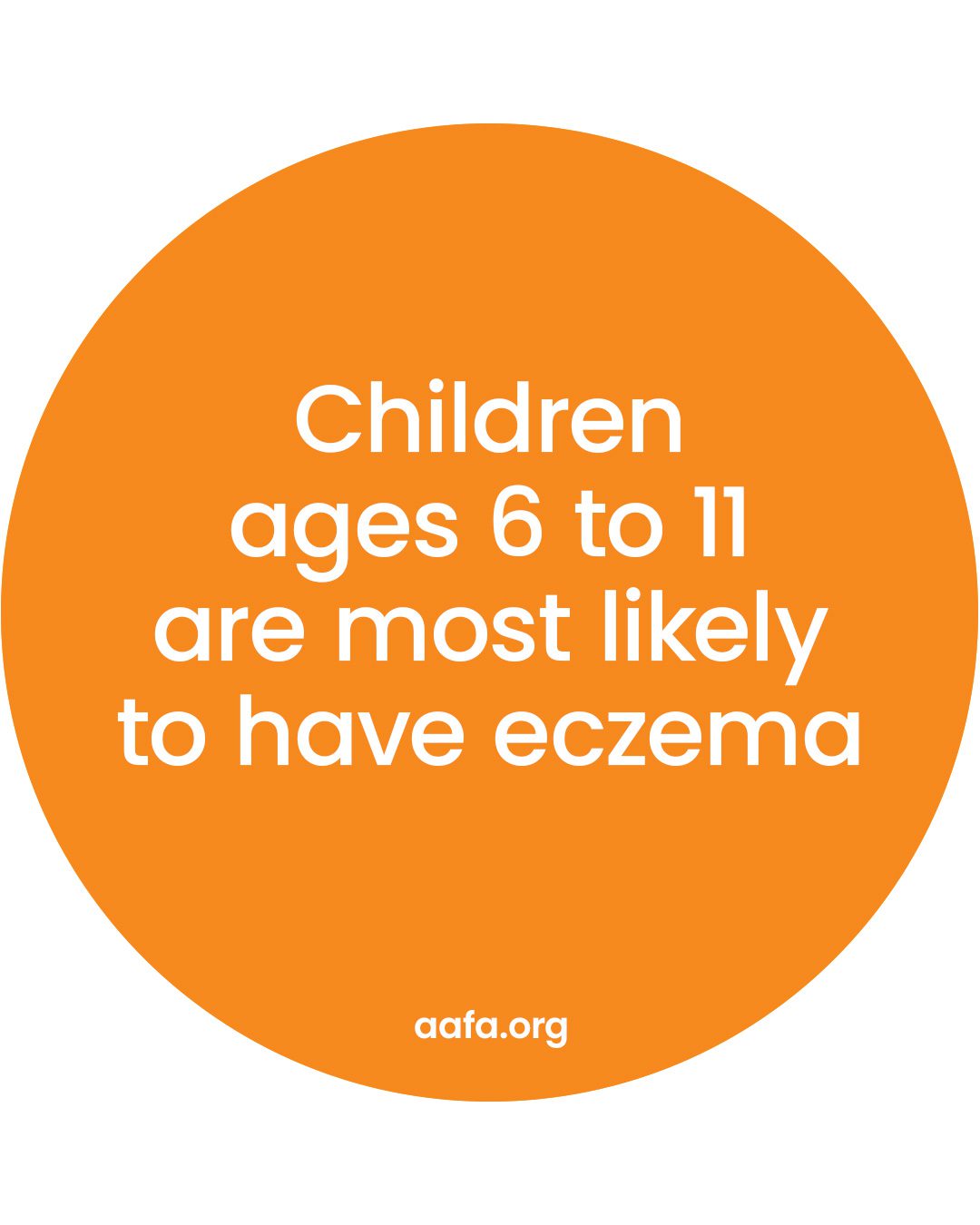
- Children ages 6 to 11 are most likely to have eczema.2
- Non-Hispanic Black adults in the U.S. are more likely to have eczema than adults of other races and ethnicities.1
- Female adults and children are more likely to have eczema than males.1,2
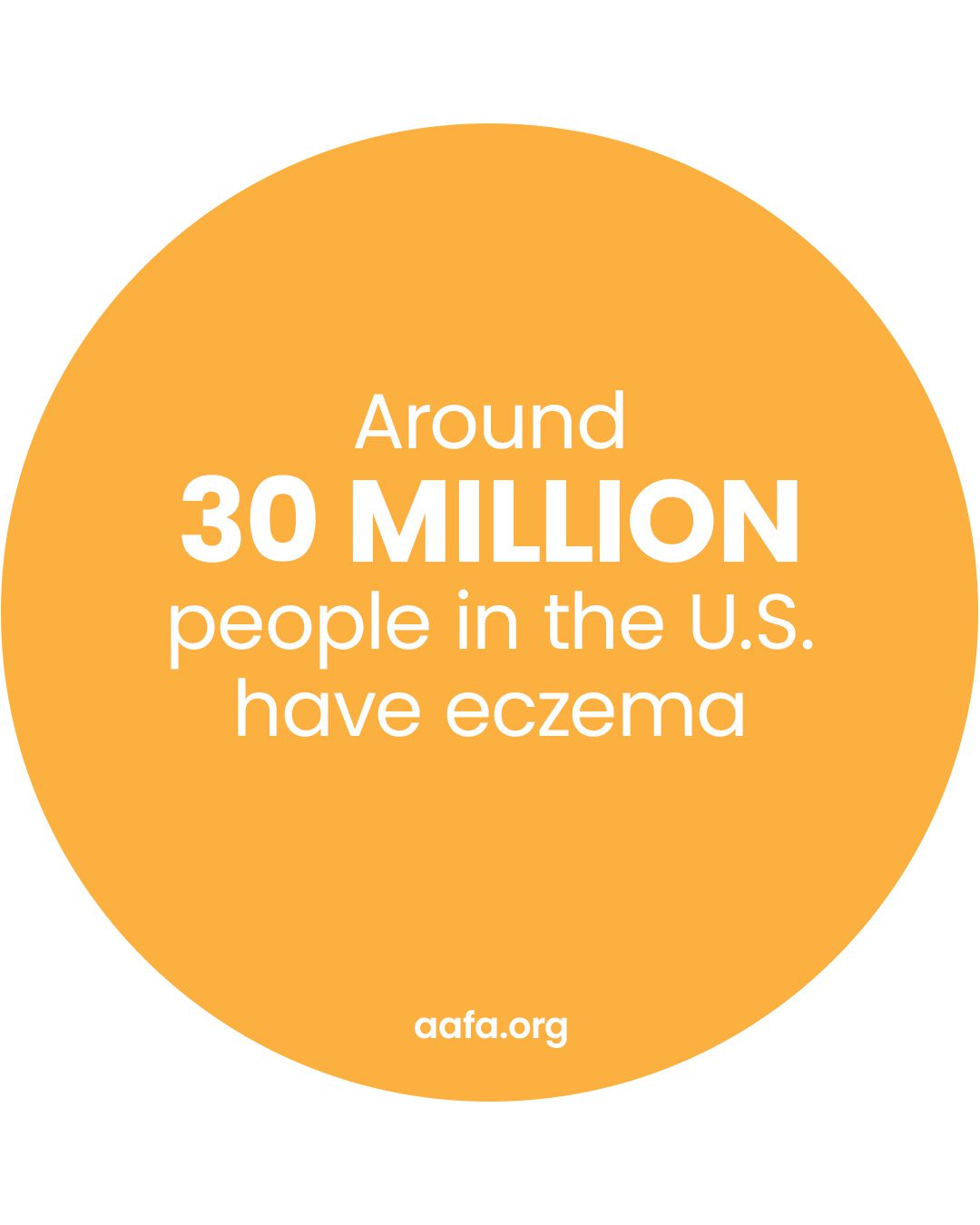
Eczema prevalence
Eczema affects around about 1 in 14 adults and 1 in 9 children in the United States.
Children with eczema
Over 9 million kids have eczema. It is most common in children ages 6-11.
Chronic Hives
- Chronic hives affect up to 2 out of 100 people.17
- Chronic hives can affect up to 5 out of 100 children. 17
- While chronic hives impact children, on average symptoms start around age 40.17
- Females are more likely to have chronic hives than males. 17
- As many as 30 out of 100 people with chronic hives have both spontaneous and inducible hives.17
Contact Allergies (Contact Dermatitis)
- Contact allergies (contact dermatitis) affect about 20 out of 100 people.18
- Females are more likely to have contact allergies than males.18
- People in jobs like health care, hairdressing, painting, metal working, and cleaning are more likely to have contact allergies because of their frequent contact with allergens.19
How Common Are Food Allergies?
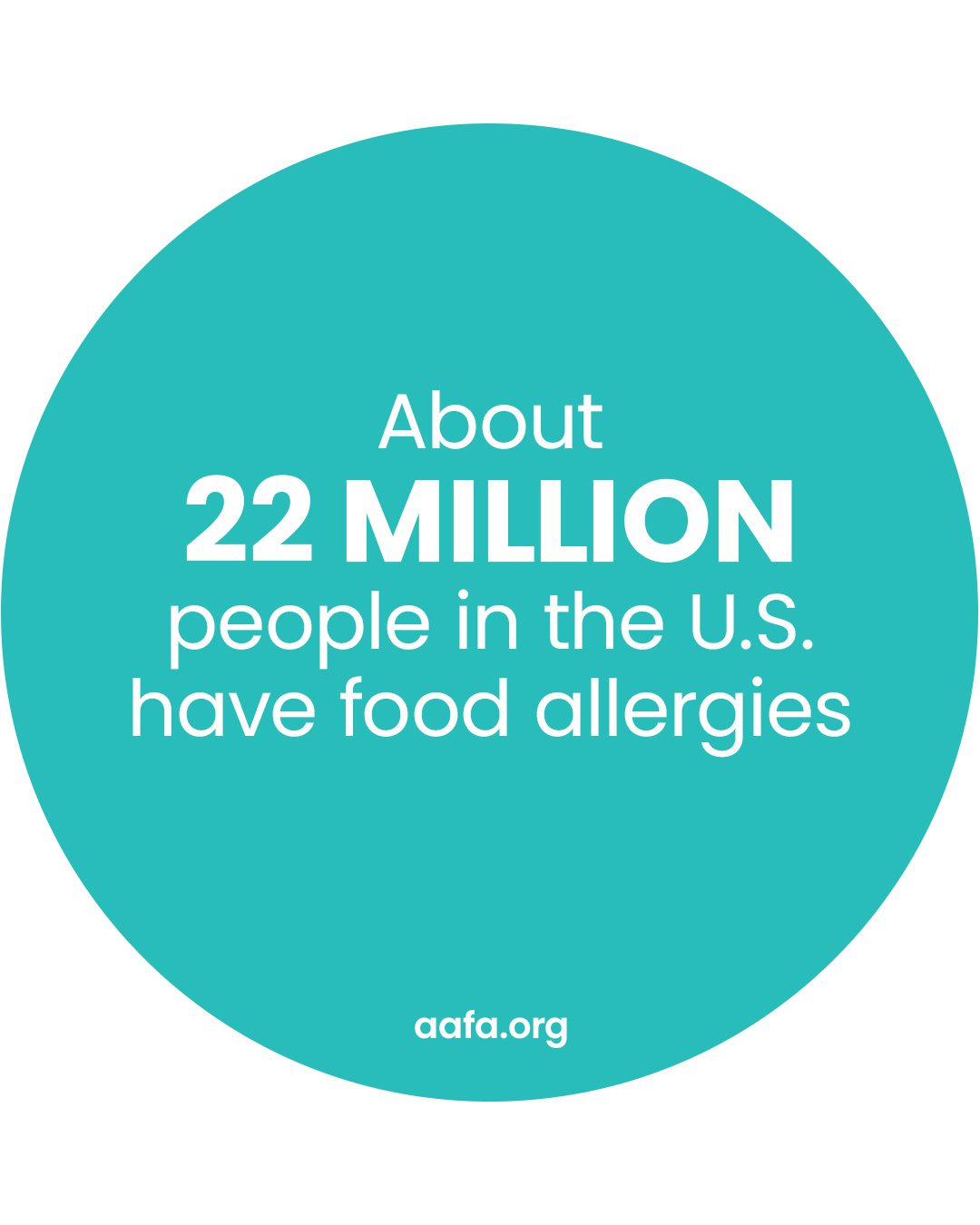
- As of 2024, nearly 22 million people have food allergies in the U.S. This equals about 6 out of 100 people.1,2
- About 18 million (7 out of 100) U.S. adults have food allergies.1
- About 4 million (5 out of 100) U.S. children have food allergies.2
- In 2024, 10 out of 100 non-Hispanic Black adults had food allergies, compared to 6 out of 100 non-Hispanic White adults.1
- Food allergy has increased among U.S. children over the past 20 years, with the greatest increase in Black children.
22 million people with food allergies
Food allergy has increased over the past 20 years and now affects 18 million adults and 4 million children.
Top food allergens
There is no cure for food allergies. To prevent allergic reactions, the food allergen needs to be removed from the diet.
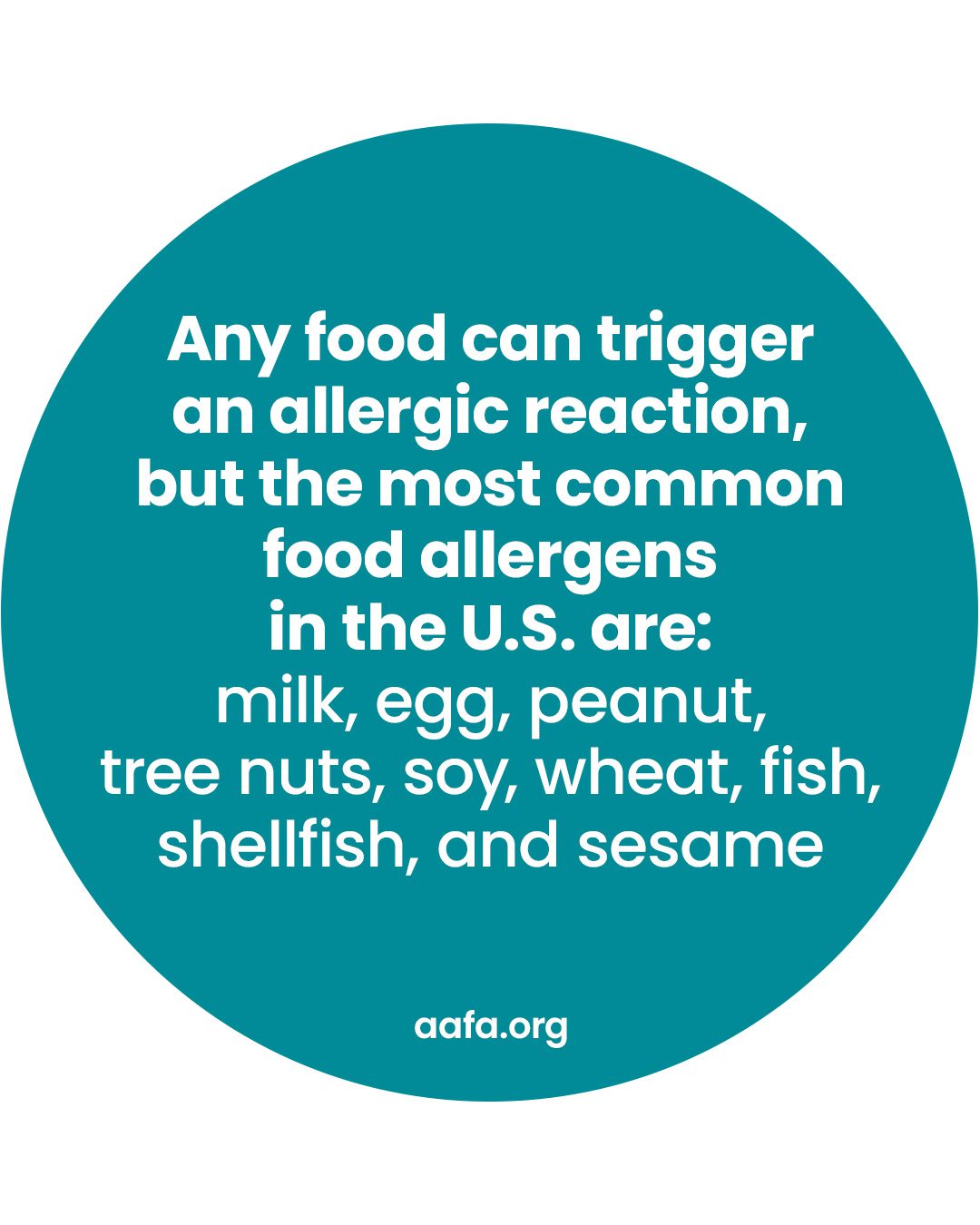
- Nine foods cause most food allergy They are milk, eggs, peanuts, tree nuts, fish, shellfish, wheat, soy, and sesame.
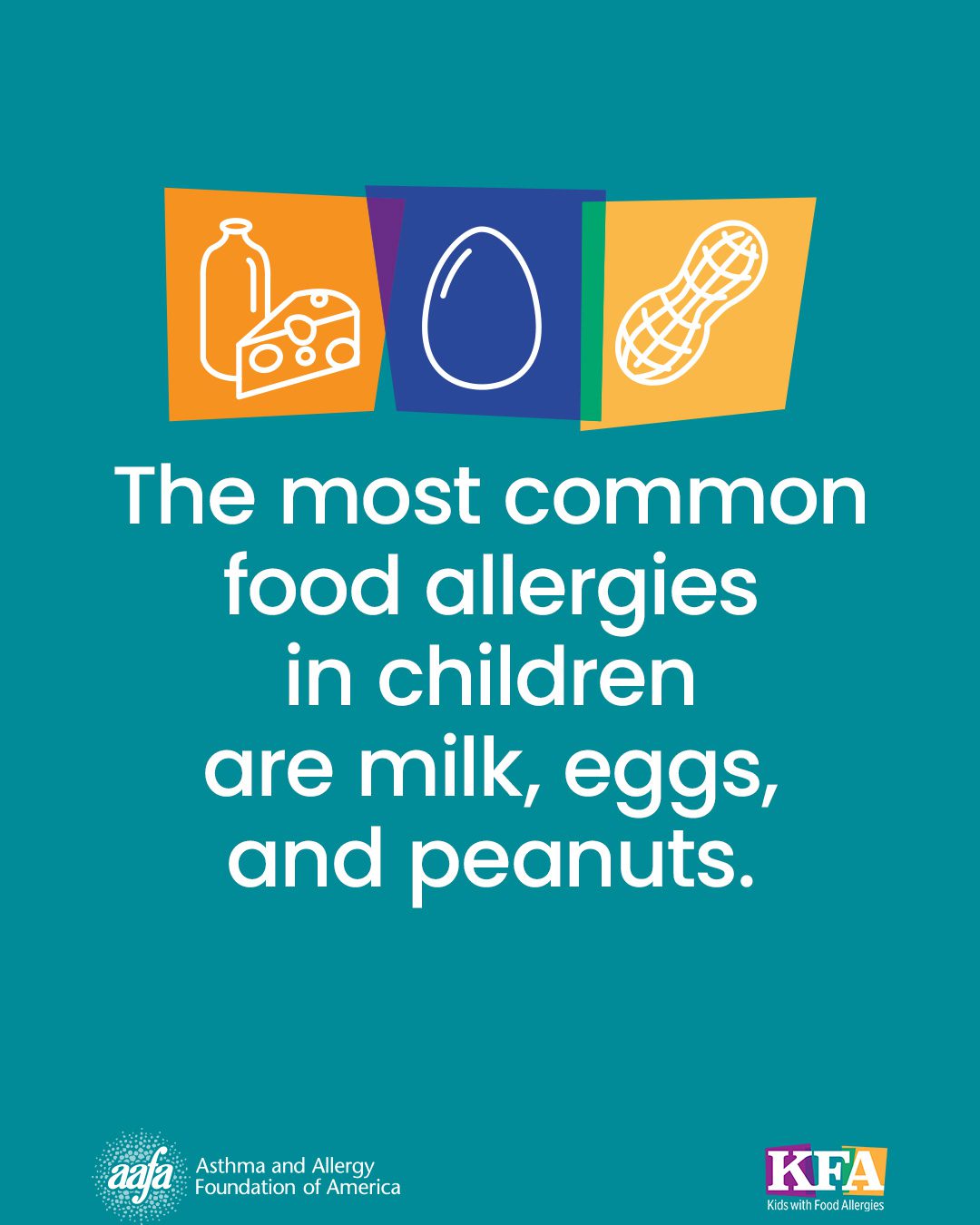
- Milk is the most common food allergen for children, followed by egg and peanut.21
- Shellfish is the most common food allergen for adults, followed by peanut and tree nut.21
Most common food allergens in children
The most common food allergens in children are foods that are typically in the American diet. Feeding babies these foods early helps prevent food allergy.
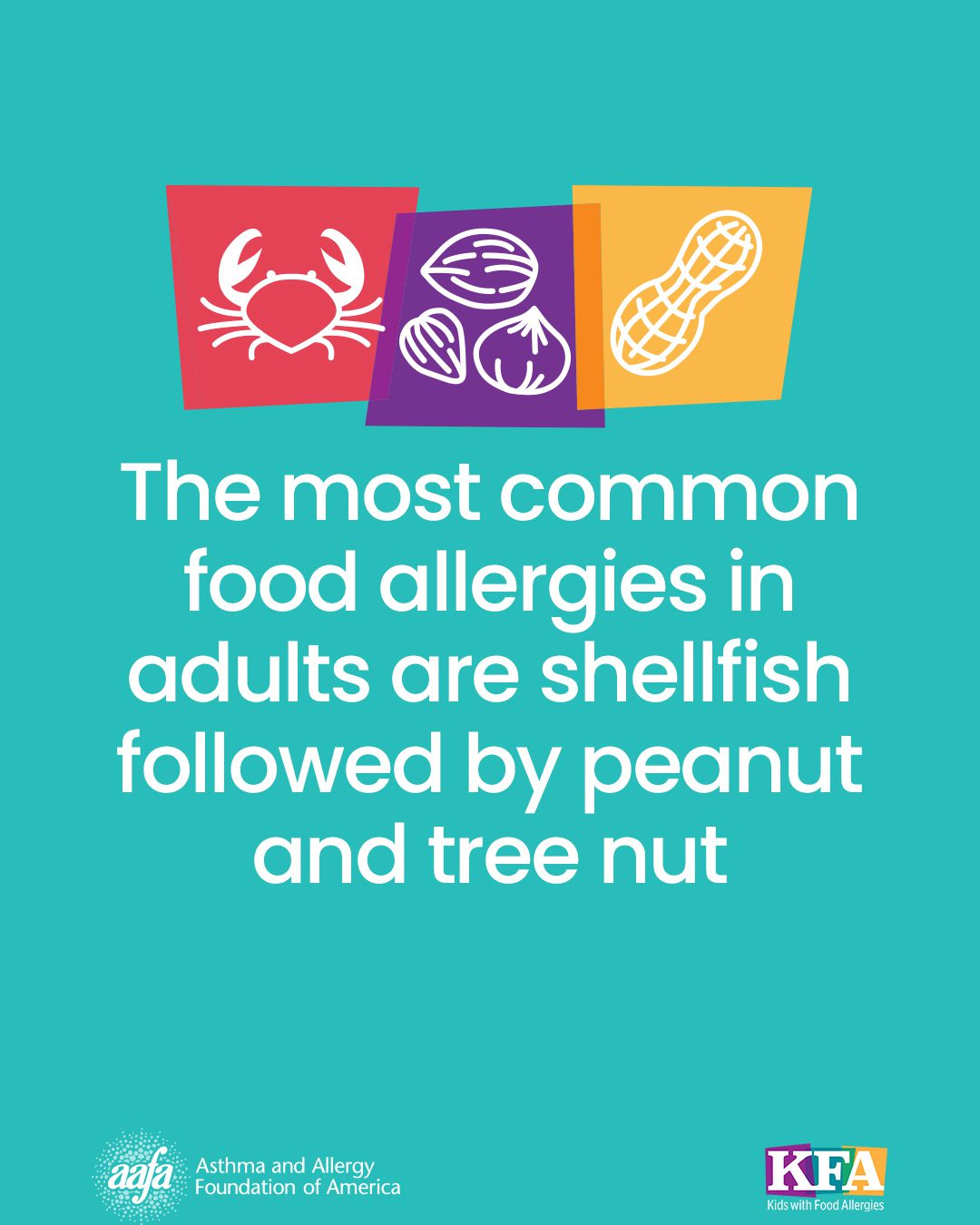
Most common food allergens in adults
You can develop a food allergy at any age. Many adults develop food allergies even without a prior history of allergies.
How Common Are Drug Allergies?
- For every 100 adverse reactions to drugs, between 5 to 10 are from allergic reactions.22
- For every 100 hospital admissions in the United States, between 3 to 6 are caused by adverse drug reactions.23
- The most commonly reported drug allergy is to penicillin, with up to 10 out of 100 people saying they are allergic to this type of drug. However, less than 10 out of 100 of these people (or less than 1 out of 100 of the total population) are actually allergic to penicillin drugs when evaluated for these allergies.24
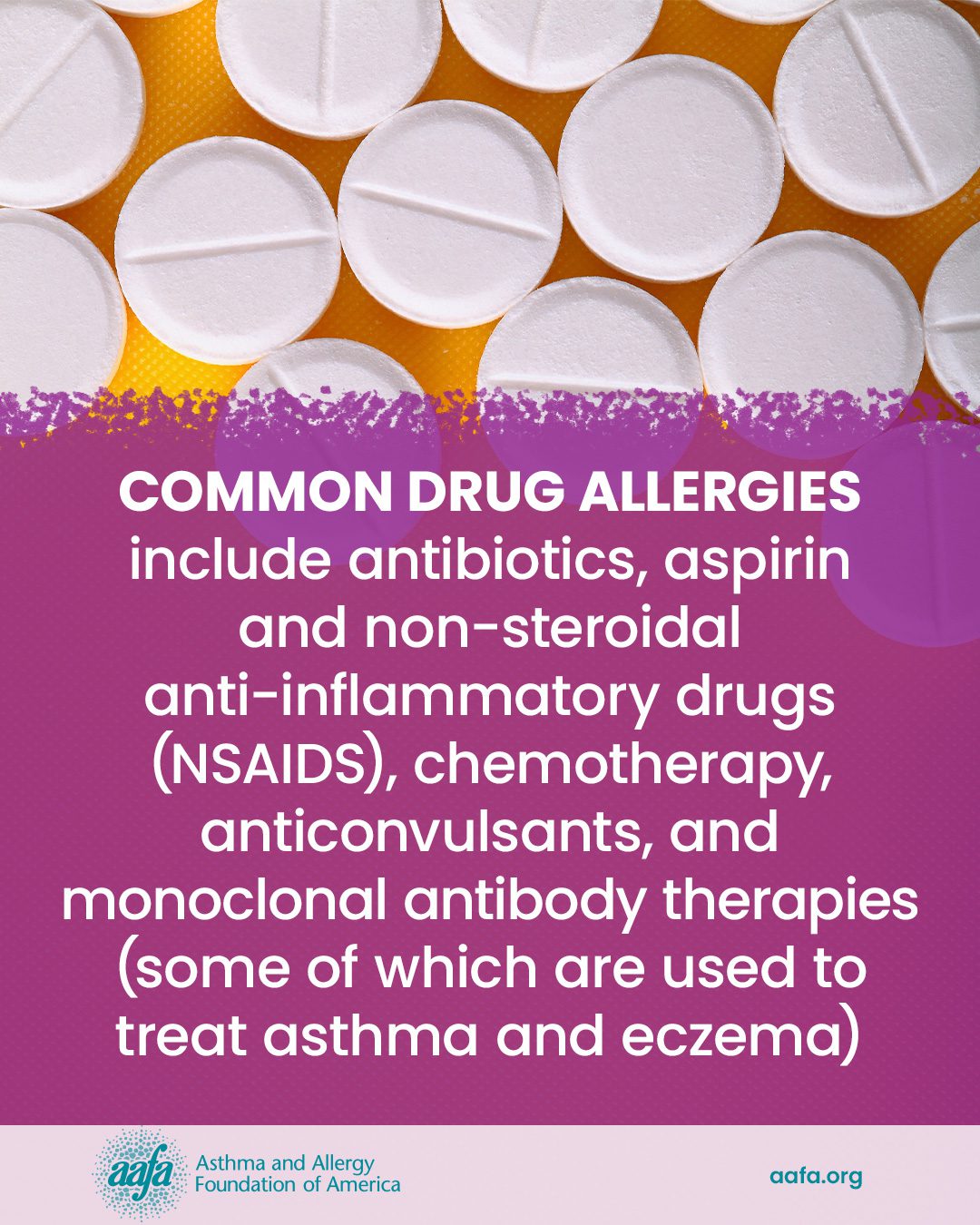
Common drug allergies
Only 5-10% of adverse reactions to medicines are allergic reactions. If you think you may be allergic to a medicine, tell your doctor.
How Common Is Latex Allergy?
- About 4 out of 100 people have a latex allergy.25
- Latex allergy is more common in certain occupations, especially with frequent use and exposure to powdered latex gloves (such as health care and dental workers). Approximately 10 out of 100 health care workers have a latex allergy.25
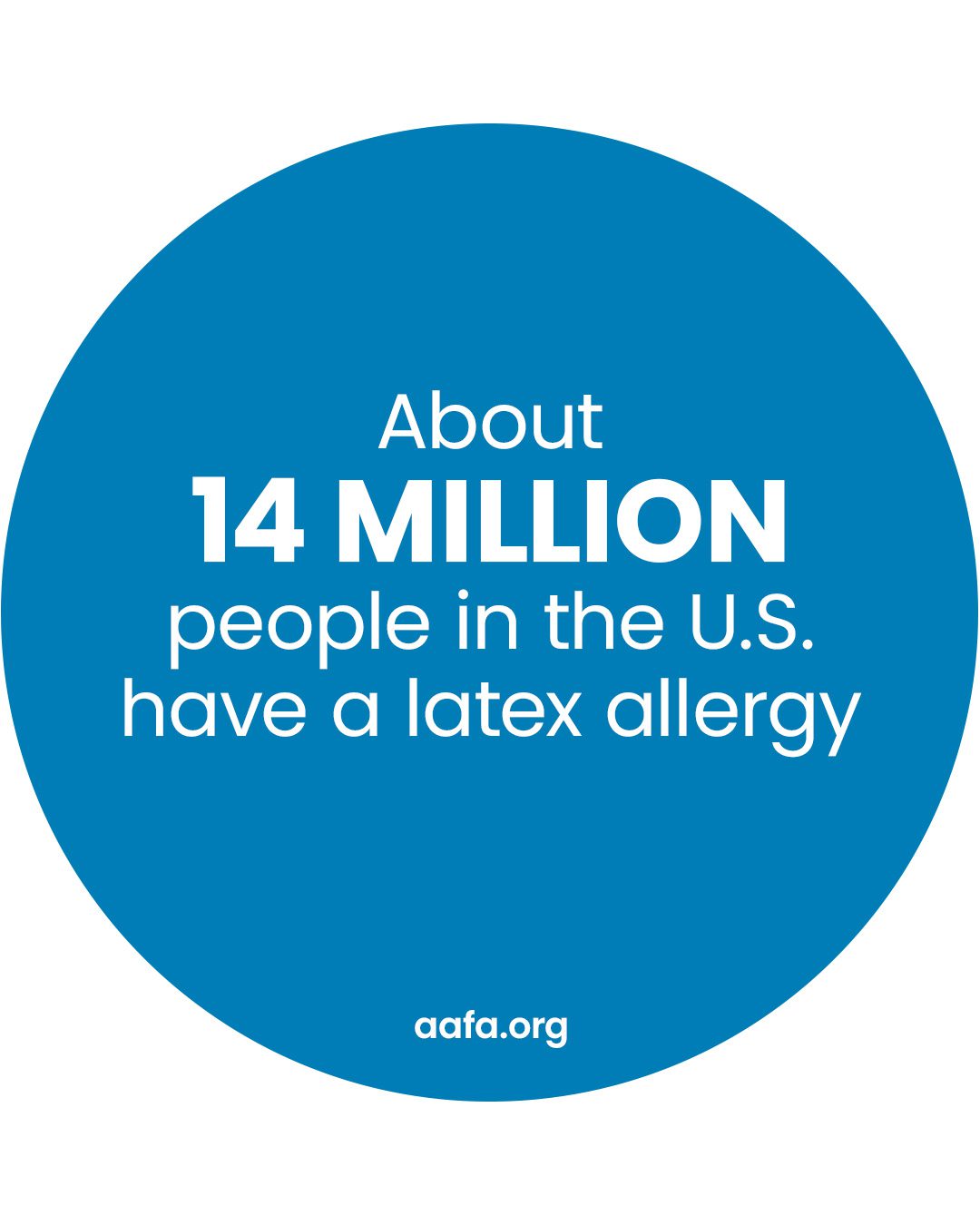
Number of people with latex allergy
Latex is a protein found in the sap of a rubber tree. The term also refers to natural rubber products made from that sap. Around 4.3% of the general population has a latex allergy.
How Common Are Insect Allergies?
Insect stings, bites or “debris” can trigger an allergic reaction in people.
- Insect sting allergies affect about 3 out of 100 people in the U.S.26
- The most common stinging insects that cause allergic reactions are bees, wasps, hornets, yellow jackets, and fire ants.
- In the United States between 2011 – 2021, there were a total of 788 deaths from hornet, wasp, and bee stings with an average of 72 deaths per year. Overall, 84 out of every 100 of these deaths occurred among males.27
- Dust mite allergy affects 20 million people in the U.S.28
- Cockroaches and dust mites may also cause nasal or skin allergy symptoms. They may be the most common cause of year-round allergic asthma.
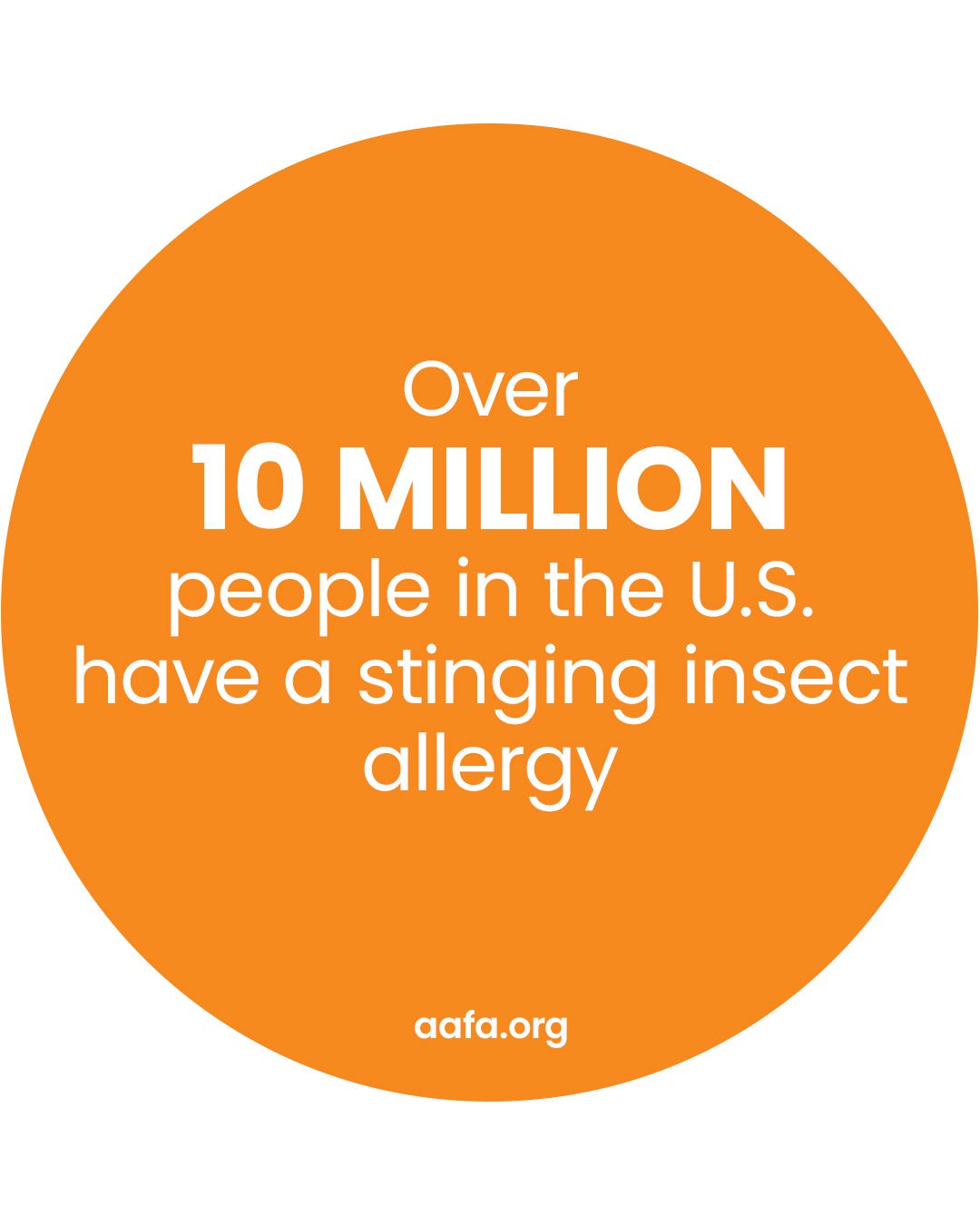
10 million people have stinging insect allergy
Bees, wasps, hornets, yellow-jackets, and fire ants are the most common stinging insects that cause an allergic reaction.
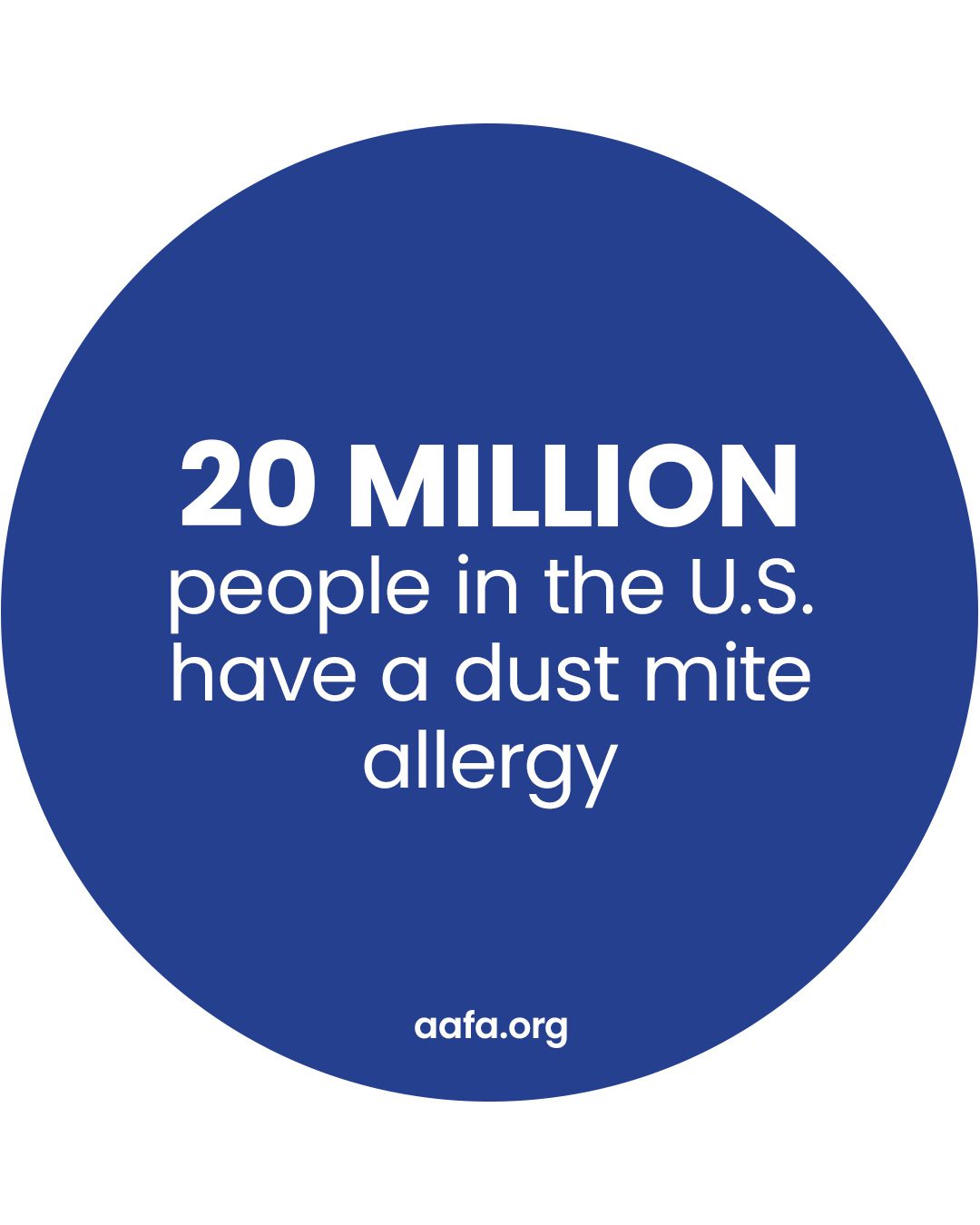
20 million people have dust mite allergy
Dust mites thrive in humid environments and fabric items, such as bedding, cloth furniture, curtains, and carpets.
How Common Are Nasal Polyps?
Nasal polyps can develop from chronic (long-term) inflammation and swelling in the sinuses. People with respiratory diseases – such as asthma, chronic rhinosinusitis, or aspirin-exacerbated respiratory disease (AERD) – have a greater chance of having nasal polyps.29
- Nasal polyps can be associated with chronic rhinosinusitis (CRS).
- CRS is a common medical condition that affects up to 12 out of 100 adults. In the U.S., this equals about 32 million adults.30,31
- There are 2 major types of CRS, divided based on the presence or absence of nasal polyps (NP):
- Chronic rhinosinusitis with nasal polyps (CRSwNP)
- Chronic rhinosinusitis without nasal polyps (CRSsNP)
- Up to 30 out of 100 people with CRS have nasal polyps. In the U.S., this equals about 10 million adults.29
- As many as 67 out of 100 people with nasal polyps also have asthma.32
- Nasal polyps are rare in children. On average, people with nasal polyps are diagnosed between ages 40 and 60 years.29
- Men are more likely than women to develop nasal polyps. Some studies report that for every 2 women affected by nasal polyps, there are 3 men affected by nasal polyps.29
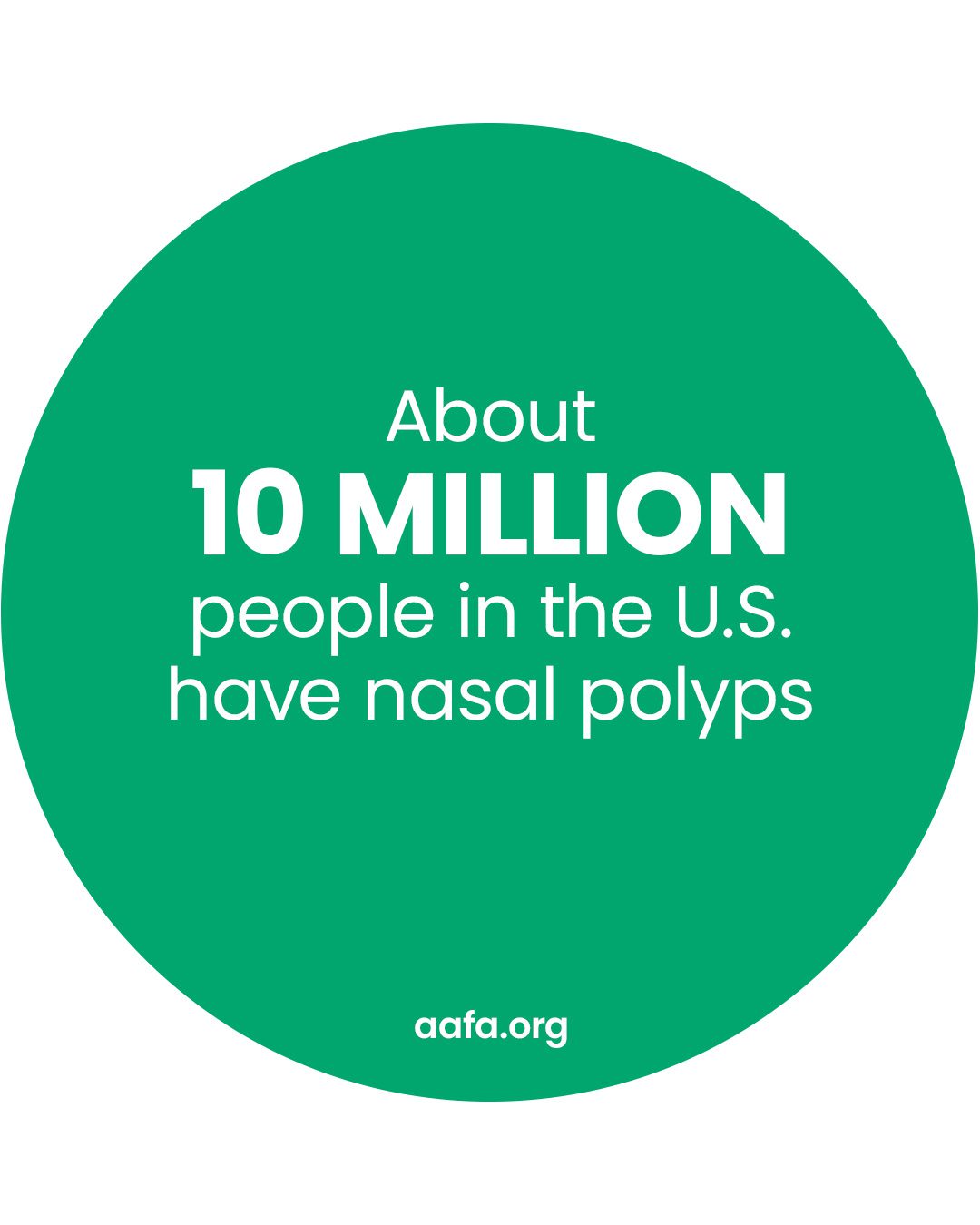
10 million people have nasal polyps
Nasal polyps can make breathing and daily activities difficult.
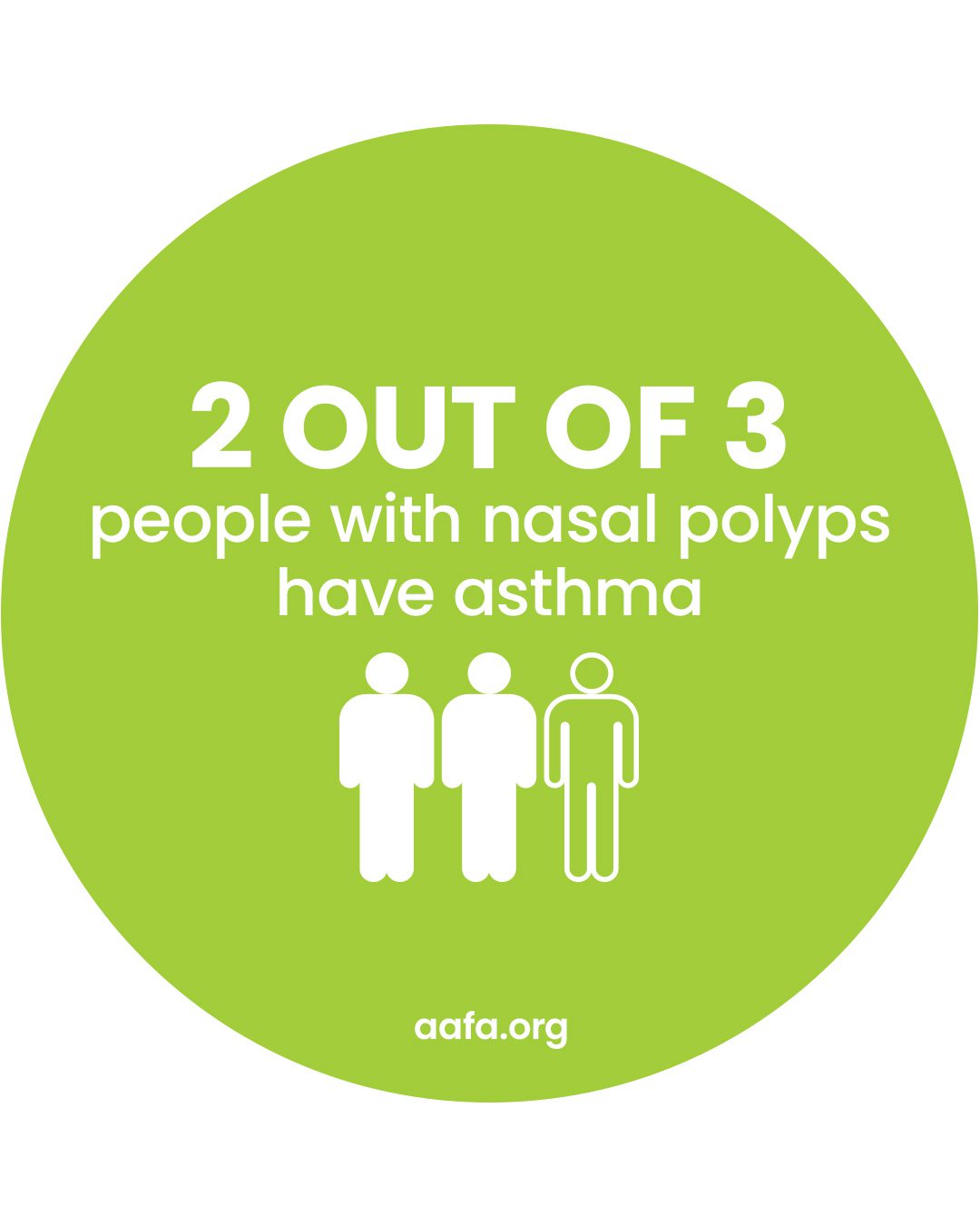
People with nasal polyps and asthma
People with respiratory diseases, such as asthma, chronic rhinosinusitis, or aspirin-exacerbated respiratory disease (AERD), have a greater chance of having nasal polyps.
What Are the Costs of Allergies and Related Allergic Conditions?
- The cost of nasal allergies is between $3 billion and $4 billion each year.8
- A 2025 study estimates that food allergies may cost the United States nearly $371 billion per year.9
- Contact allergies cost the United States around $1.5 billion per year in direct medical costs.10
- Eczema costs the United States around $5 billion per year.11
- This estimate includes direct and indirect costs. Direct costs include office visits, prescription medications, hospital visits, and emergency department visits. Indirect costs include lost workdays or reduced productivity.
- Compared to adults without eczema, adults with eczema pay $4,979 more per year for health care costs.12
- $2,381 of the annual health care costs for adults with eczema can be linked directly to eczema-related expenses.12
- Chronic hives cost the United States an estimated $244 million each year.13
- For every $100 spent on chronic hives, $63 are from medication expenses.13
- For every $100 spent on chronic hives, $16 come from missing work.13
- Researchers estimate that nasal polyps cost the U.S. health care system $5.7 billion per year.14
- Annual health care costs for people with nasal polyps are $11,057 higher than for people without chronic rhinosinusitis. This equals about $30 more each day per year.14

Closed
References
- Bottoms-McClain, L., Giri, A., & Ng, A. (2026). Diagnosed Allergic Conditions Among Adults: United States, 2024. Centers for Disease Control and Prevention, National Center for Health Statistics. https://doi.org/10.15620/cdc/174634
- Ng, A., Giri, A., & Bottoms-McClain, L. (2026). Diagnosed Allergic Conditions Among Children Ages 0−17 Years: United States, 2024. Centers for Disease Control and Prevention, National Center for Health Statistics. https://doi.org/10.15620/cdc/174635
- American College of Allergy, Asthma, and Immunology. (2023). Allergy Facts.https://acaai.org/news/facts-statistics/allergies
- Michelson, K. A., Dribin, T. E., Vyles, D., & Neuman, M. I. (2020). Trends in emergency care for anaphylaxis. The Journal of Allergy and Clinical Immunology: In Practice, 8(2), 767-768.e2. https://doi.org/10.1016/j.jaip.2019.07.018
- Ma, L., Danoff, T. M., & Borish, L. (2014). Case fatality and population mortality associated with anaphylaxis in the United States. Journal of Allergy and Clinical Immunology, 133(4), 1075–1083. https://doi.org/10.1016/j.jaci.2013.10.029
- Chowdhury, R., Khalaf, R., Chan, E. S., Protudjer, J. L. P., Ton That, A., Kaouache, M., & Ben-Shoshan, M. (2026). Predictors of Fatal Anaphylaxis: A Systematic Review. International Archives of Allergy and Immunology, 1–20. Advance online publication. https://doi.org/10.1159/000550989
- Hansen-Sackey, E., & Dapaah-Siakwan, F. (2025). Trends in Drug-Related Anaphylaxis Mortality in the United States, 2011–2023,. Annals of Allergy, Asthma & Immunology, 135(5), S16. https://doi.org/10.1016/j.anai.2025.08.057
- Tkacz, J. P., Rance, K., Waddell, D., Aagren, M., & Hammerby, E. (2021). Real-World Evidence Costs of Allergic Rhinitis and Allergy Immunotherapy in the Commercially Insured United States Population. Current Medical Research and Opinion, 37(6), 957–965. https://doi.org/10.1080/03007995.2021.1903848
- Warren, C., Whittington, M. D., Bilaver, L., Kratochvil, D., Liu, R., Seetasith, A., Ko, S., Garmo, V., Kowal, S., Gupta, S., & Gupta, R. (2025). Estimating the societal economic burden of food allergy in the United States. Journal of Medical Economics, 28(1), 1–17. https://doi.org/10.1080/13696998.2025.2563462
- Young, P. A., Gui, H., & Bae, G. H. (2022). Prevalence of Contact Allergens in Natural Skin Care Products From US Commercial Retailers. JAMA Dermatology, 158(11). https://doi.org/10.1001/jamadermatol.2022.3180
- Adamson, A. S. (2024). The Economic Impact of Atopic Dermatitis. Advances in Experimental Medicine and Biology, 91–104. https://doi.org/10.1007/978-3-031-54513-9_9
- Manjelievskaia, J., Boytsov, N., Brouillette, M., Onyekwere, U., Pierce, E., Goldblum, O., & Bonafede, M. (2021). The direct and indirect costs of adult atopic dermatitis. Journal of Managed Care & Specialty Pharmacy, 27(10), 1416–1425. https://doi.org/10.18553/jmcp.2021.27.10.1416
- Sánchez-Borges, M., Ansotegui, I. J., Baiardini, I., Bernstein, J., Canonica, G. W., Ebisawa, M., Gomez, M., Gonzalez-Diaz, S. N., Martin, B., Morais-Almeida, M., & Ortega Martell, J. A. (2021). The challenges of chronic urticaria part 1: Epidemiology, immunopathogenesis, comorbidities, quality of life, and management. The World Allergy Organization journal, 14(6), 100533. https://doi.org/10.1016/j.waojou.2021.100533
- Bhattacharyya, N., Villeneuve, S., Joish, V. N., Amand, C., Mannent, L., Amin, N., Rowe, P., Maroni, J., Eckert, L., Yang, T., & Khan, A. (2019). Cost burden and resource utilization in patients with chronic rhinosinusitis and nasal polyps. The Laryngoscope, 129(9), 1969–1975. https://doi.org/10.1002/lary.27852
- Aristizabal, M. A., Bruce, C. J., Caruso, M. A., Wieczorek, M. A., Pacheco-Spann, L. M., Carter, R. E., Bruce, A. J., & Hall, M. R. (2025). Allergic Contact Dermatitis Revisited: A Comprehensive Review. JAAD Reviews., 4. https://doi.org/10.1016/j.jdrv.2025.03.011
- National Institute of Allergy and Infectious Diseases. (2024). Eczema Causes & Triggers Research. National Institutes of Health; U.S. Department of Health and Human Services. https://www.niaid.nih.gov/diseases-conditions/eczema-causes-and-triggers
- Lee, R., & Bernstein, J. A. (2025). Chronic Spontaneous Urticaria and Chronic Inducible Urticaria. Journal of Allergy and Clinical Immunology, 156(3). https://doi.org/10.1016/j.jaci.2025.05.019
- Alinaghi, F., Bennike, N. H., Egeberg, A., Thyssen, J. P., & Johansen, J. D. (2018). Prevalence of contact allergy in the general population: A systematic review and meta-analysis. Contact Dermatitis, 80(2), 77–85. https://doi.org/10.1111/cod.13119
- Schütte, M. G., Tamminga, S. J., de Groene, G. J., Kezic, S., & van der Molen, H. F. (2022). Work‐related and personal risk factors for occupational contact dermatitis: A systematic review of the literature with meta‐ Contact Dermatitis, 88(3), 171–187. https://doi.org/10.1111/cod.14253
- Keet, C. A., Savage, J. H., Seopaul, S., Peng, R. D., Wood, R. A., & Matsui, E. C. (2014). Temporal trends and racial/ethnic disparity in self-reported pediatric food allergy in the United States. Annals of Allergy, Asthma & Immunology, 112(3), 222-229.e3. https://doi.org/10.1016/j.anai.2013.12.007
- Lee, E. C. K., Trogen, B., Brady, K., Ford, L. S., & Wang, J. (2024). The Natural History and Risk Factors for the Development of Food Allergies in Children and Adults. Current allergy and asthma reports, 24(3), 121–131. https://doi.org/10.1007/s11882-024-01131-3
- American Academy of Allergy Asthma & Immunology. (2023). Medications and Drug Allergic Reactions. https://www.aaaai.org/tools-for-the-public/conditions-library/allergies/medications-and-drug-allergic-reactions
- Chenchula, S., Atal, S., & Uppugunduri, C. R. S. (2024). A review of real-world evidence on preemptive pharmacogenomic testing for preventing adverse drug reactions: a reality for future health care. The pharmacogenomics journal, 24(2), https://doi.org/10.1038/s41397-024-00326-1
- Patterson, R. & Stankewicz, H. (2022). Penicillin Allergy.National Library of Medicine, National Center for Biotechnology Information. https://www.ncbi.nlm.nih.gov/books/NBK459320/
- Nucera, E., Aruanno, A., Rizzi, A., & Centrone, M. (2020). Latex Allergy: Current Status and Future Perspectives. Journal of Asthma and Allergy, 13, 385–398. https://doi.org/10.2147/JAA.S242058
- Stoevesandt, J., Sturm, G. J., Bonadonna, P., Oude Elberink, J. N. G., & Trautmann, A. (2019). Risk factors and indicators of severe systemic insect sting reactions. Allergy, 75(3), 535–545. https://doi.org/10.1111/all.13945
- Xu, J. (2023). QuickStats: Number of deaths from hornet, wasp, and bee stings among males and females — national vital statistics system, united states, 2011–2021. Morbidity and Mortality Weekly Report, 72(27). https://doi.org/10.15585/mmwr.mm7227a6
- Aggarwal, P., & Senthilkumaran, S. (2021). Dust Mite Allergy. StatPearls. https://www.ncbi.nlm.nih.gov/books/NBK560718/
- del Toro, E., & Portela, J. (2025). Nasal Polyps. StatPearls. https://www.ncbi.nlm.nih.gov/books/NBK560746/
- Sedaghat, A. R., Kuan, E. C., & Scadding, G. K. (2022). Epidemiology of Chronic Rhinosinusitis: Prevalence and Risk Factors. The journal of allergy and clinical immunology. In practice, 10(6), 1395–1403. https://doi.org/10.1016/j.jaip.2022.01.016
- Palmer, J. N., Messina, J. C., Biletch, R., Grosel, K., & Mahmoud, R. A. (2019). A cross-sectional, population-based survey of U.S. adults with symptoms of chronic rhinosinusitis. Allergy and asthma proceedings, 40(1), 48–56. https://doi.org/10.2500/aap.2019.40.4182
- Laidlaw, T. M., Mullol, J., Woessner, K. M., Amin, N., & Mannent, L. P. (2021). Chronic Rhinosinusitis with Nasal Polyps and Asthma. The Journal of Allergy and Clinical Immunology: In Practice, 9(3), 1133–1141. https://doi.org/10.1016/j.jaip.2020.09.063