






Asthma
When to Go to the Hospital for Asthma and What to Expect
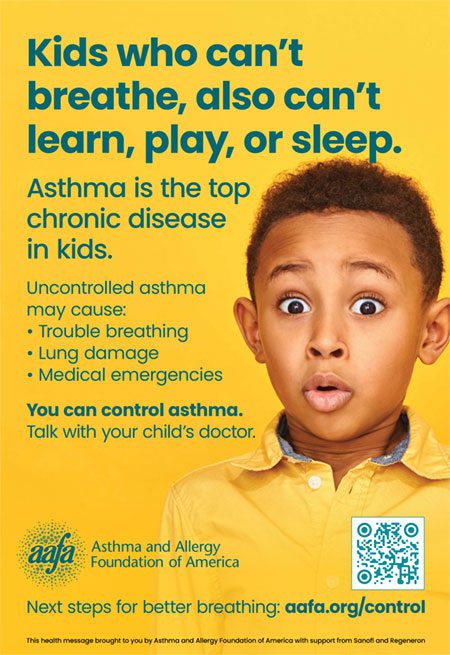
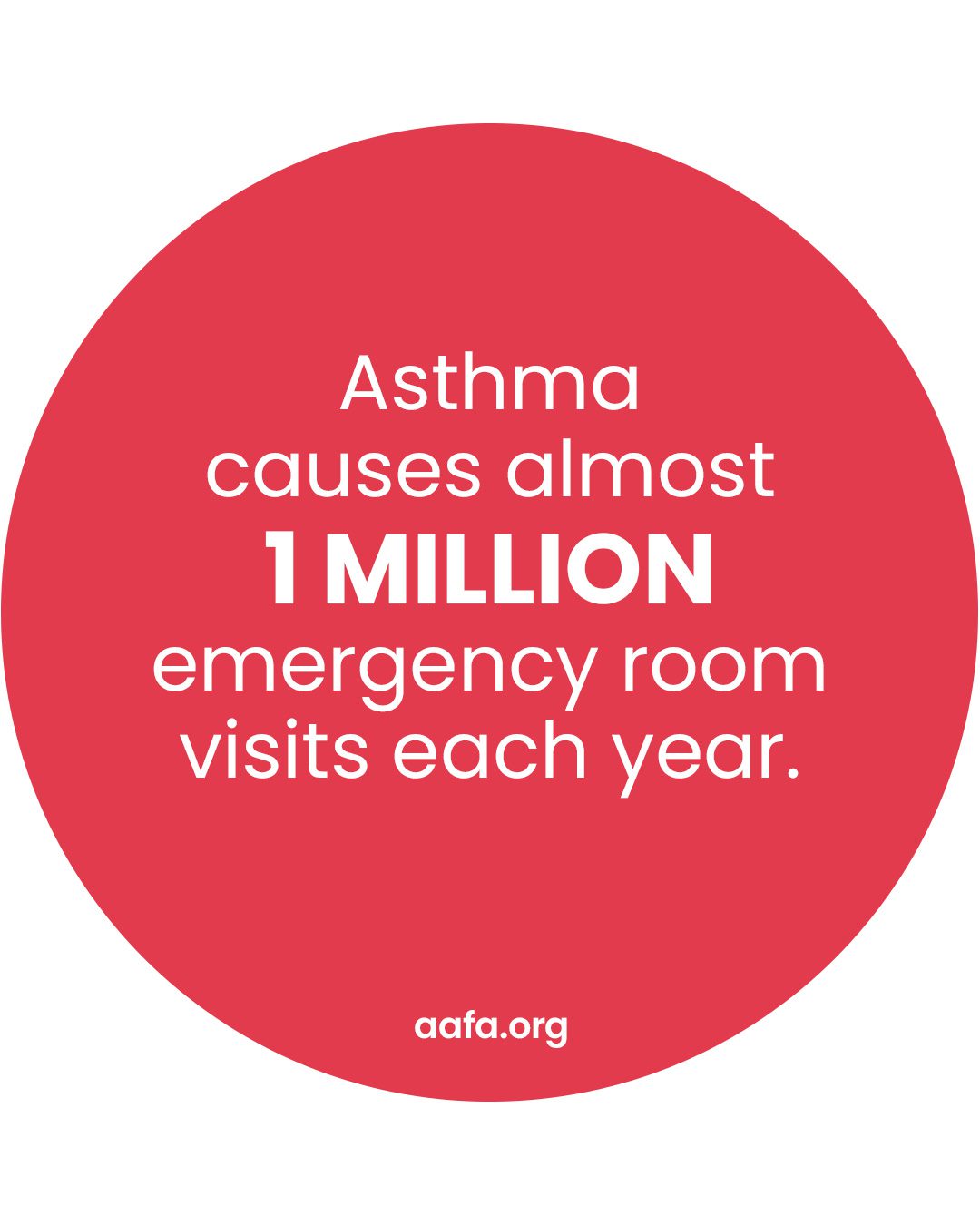
Asthma is not “just a wheeze” or feeling “out of breath.” Sometimes people with asthma will experience severe, potentially life-threatening symptoms and need to go to a hospital. Asthma leads to about 1 million emergency department visits and 100,000 inpatient hospital stays per year.1
Doctor visits for asthma
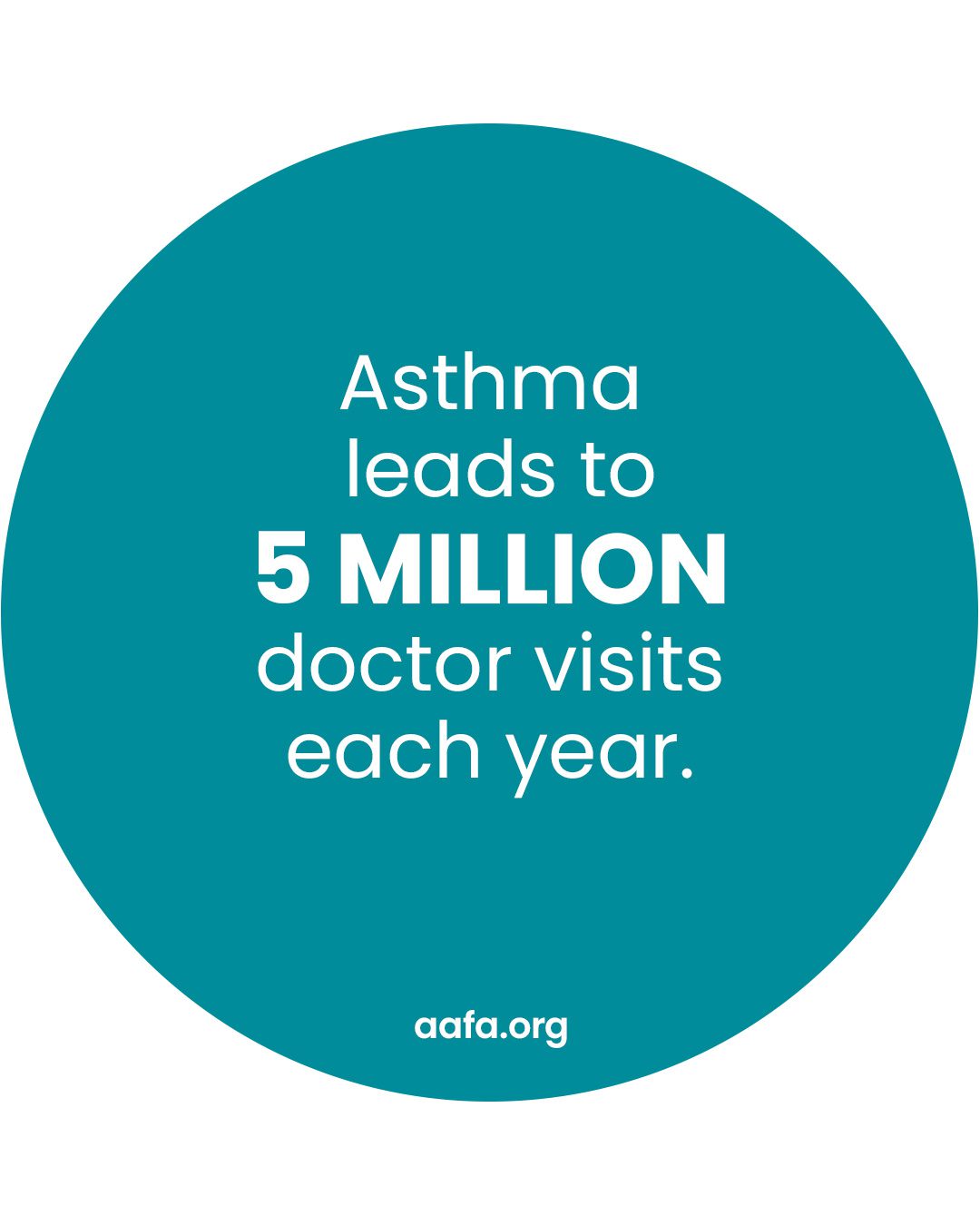
Sick visits for worsening asthma symptoms plus routine health care appointments for asthma management lead to 5 million doctor visits per year.
Emergency room visits for asthma
Asthma may lead to a medical emergency. If you have asthma, be sure to know the signs and symptoms of a severe asthma attack and when to seek emergency help.
Asthma-related ER visits for Black people
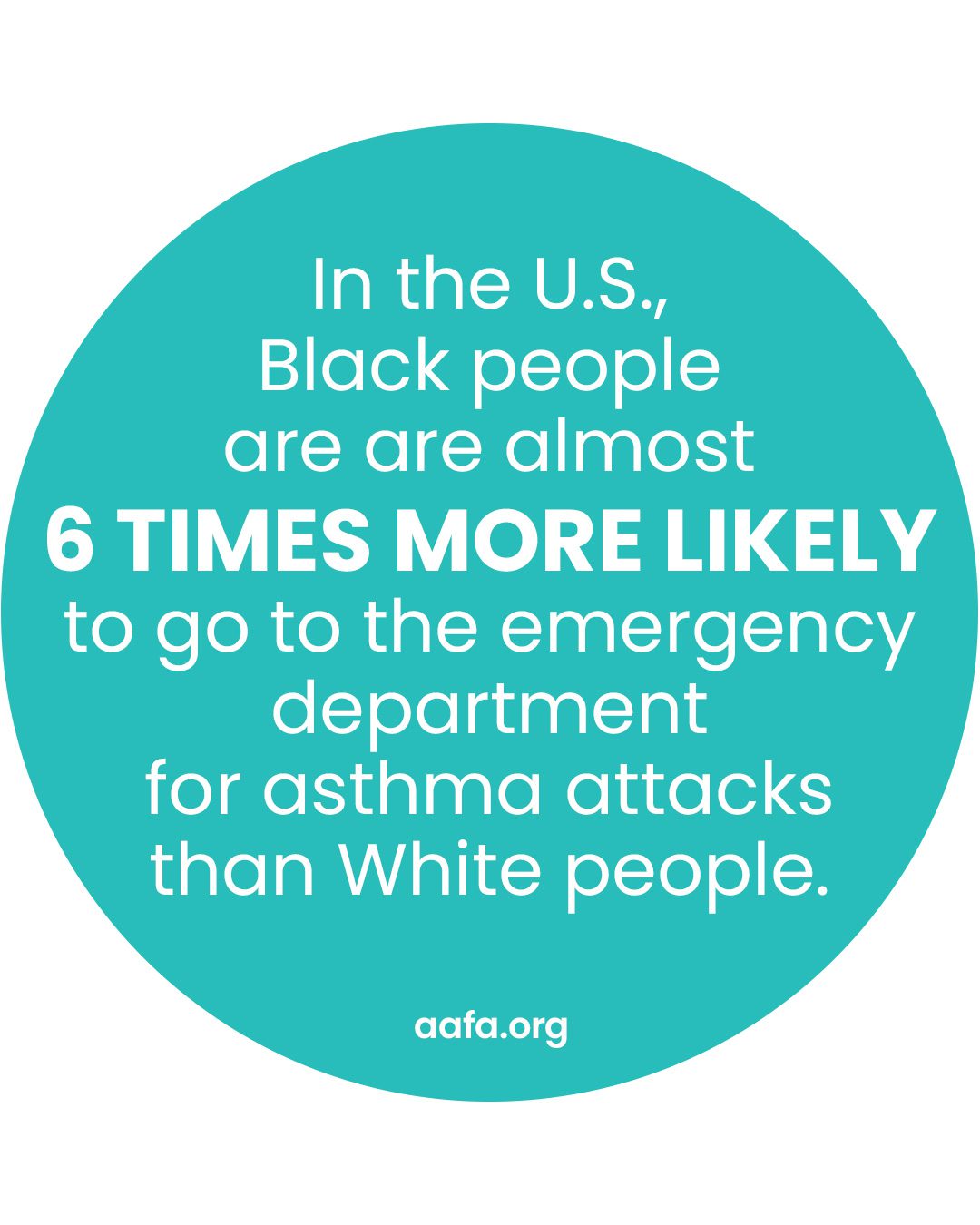
In the U.S., big differences exist in asthma rates based on race and ethnicity. Black Americans have the highest rates of asthma, asthma-related ER visits, and deaths compared to White people.
When to Get Emergency Help: Signs of a Severe Asthma Episode or Attack
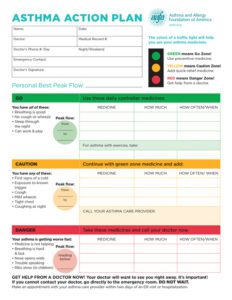 The severity of your asthma symptoms can be divided into asthma zones. These zones use the colors of a traffic light to help you know which zone you are in and when to use your asthma medicines or get emergency help. These zones are based on symptoms. Your health care professional will outline what medicines and steps to take for each zone.
Don’t have one yet? Download AAFA’s Asthma Action Plan and bring to your next visit: Asthma Action Plan. The Asthma Action Plan is divided into 3 zones:
- Green – Good to Go
- Yellow – Warning/Caution
- Red – Danger
Your Asthma Is Doing Good When You Are in the Asthma Green/Go Zone
In the Green/Go Zone, you have few, if any, daytime or nighttime symptoms. Continue using your daily controller medicine if prescribed.
Your Asthma Is Worsening When You Are in the Asthma Yellow/Caution Zone
You are in the Yellow/Caution Zone when you first start having more severe or more frequent asthma signs or symptoms. Signs and symptoms that your asthma is getting worse include:
- Shortness of breath
- Cough
- Chest tightness or pain
- Wheezing
- Waking at night due to asthma symptoms
- Having any signs or symptoms after an exposure to a known trigger
- Having difficulty breathing when sick with a cold or respiratory illness
- Peak flow readings that are below 80% of your personal best peak flow number
- If you are pregnant, reduced fetal movements
When you are in the Yellow/Caution Zone, take your asthma medicines as listed in your Asthma Action Plan. Pay attention to your symptoms until they improve. If you continue to have symptoms, call your doctor.
Your Asthma Is an Emergency When You Are in the Red/Danger Zone
Signs and symptoms of an asthma emergency that need urgent medical care:
- Asthma is getting worse quickly
- Asthma quick-relief inhaler (like albuterol) is not helping
- Chest tightness or pain
- Severe shortness of breath
- Breathing is faster or slower than normal
- Breathing may be hard or shallow
- Trouble walking or talking due to shortness of breath
- Chest retractions in children (skin sucks in between or around the neck, chest plate, and/or rib bones when breathing in)
- Ribs or stomach moving in and out deeply and rapidly to get air in
- Shoulders hunched over (“posturing”)
Asthma can make it harder to get oxygen to the brain and body. This can be life-threatening. Signs this is happening include:
- Cyanosis, a tissue color change on mucus membranes (tongue, lips, and around the eyes) and fingertips or nail beds – the color appears grayish or whitish on darker skin tones and bluish on lighter skin tones
- Confusion and drowsiness
Red/Danger Zone symptoms are a medical emergency. Take your quick-relief medicine (albuterol) right away. Your Asthma Action Plan will tell you how many puffs of your inhaler to take or how much to nebulize and how often to repeat it. Shake your albuterol inhaler between every puff. If symptoms do not improve, get immediate medical attention. Call 911 or go directly to the emergency room.
- If you do not yet have an Asthma Action Plan, the current global guidelines for a moderate to severe asthma attack recommend:
- Take 4 to 6 puffs of albuterol (with spacer). Repeat 20 to 30 minutes apart up to 3 times if needed. If you don’t improve within 1 hour, get emergency medical care.
- If you have life-threatening signs (unable to speak, cyanosis, confusion, drowsiness), use 6 to 10 puffs of albuterol (with a spacer) and repeat every 20 to 30 minutes. Get emergency medical care immediately.
RELATED CONTENT: How to Know If Your Asthma Is Not Under Control
Going to the Hospital for Asthma
What to Bring
- Current or last Asthma Action Plan so you have your list of asthma medicines handy
- List of other current medicines and allergies
- A support person, if possible
What Treatments to Expect for Asthma in the Emergency Department
When you arrive, health care professionals will give you a medical exam to determine the best course of treatment to get your asthma under control. This can include:
- Bronchodilators (quick-relief medicines), such as albuterol and/or ipratropium: These are the same medicines as some quick-relief inhalers, but the hospital may opt to use a nebulizer for easier delivery.
- Corticosteroids in pill form, an injection, or through an IV
- Oxygen by nasal tube or mask if your oxygen levels are not optimal
If your symptoms improve for at least 1 to 2 hours after your last bronchodilator dose, you may be discharged. If your symptoms continue or are difficult to control, you may be admitted to stay inpatient (overnight). You may be asked to take lung function tests throughout your stay to see how well the treatment is working.
Questions to Ask While in the Hospital or Emergency Department for Asthma
1. “Am I using my inhaler, spacer, or nebulizer correctly?”
For inhalers to work well, you must use them correctly. But 70 to 90% of people who use inhalers make at least 1 mistake when using their inhaler.2 This can mean the medicine you need is not fully reaching your lungs. This can lead to uncontrolled or worsening asthma. Before you are discharged: Ask if a respiratory therapist can demonstrate your inhaler and check that you are using it correctly.
2. “What medicines am I being prescribed to take at home?“
If you are starting any new medicines, ask the nurse, doctor, or pharmacist to review them with you so you can ask questions.
3. “What are signs that I need to return to the hospital?”
Ask how to know your asthma is improving, and when you should return to the hospital or emergency department if it is not.
4. “How soon should I follow up with my doctor? Do I need a referral to a specialist?”
If you already have a doctor who monitors your asthma, you need to follow up with them so they can check your lungs and symptoms. If you do not yet see a specialist for asthma, ask if the hospital can refer you to an allergist or pulmonologist.
What to Do After You Are Discharged from Hospital for Asthma
Within the First 2-7 Days
- Schedule an appointment to see your primary care health care professional or asthma specialist. Your follow-up appointment should be within 2 to 7 days of your asthma emergency. Be prepared to discuss changes to your Asthma Action Plan, signs of an asthma episode or worsening symptoms, and how to avoid triggers.If you can’t get a follow-up appointment within a week, review your hospital discharge instructions to know when you might need urgent or emergency care again.
- Understand your medicine’s side effects. Common side effects of asthma medicines like albuterol include:
- Nervousness or shakiness
- Increased heart rate
Common side effects of oral corticosteroids (steroid pills):
- Appetite changes
- Weight gain
- Skin changes, like bruising or acne
- Stomach irritation
- Muscle weakness
- Mood swings, including anxiety, restlessness, or trouble sleeping
- Vision problems
These side effects are usually normal and short-lived. Do not avoid taking your medicines just because of side effects. Talk with your health care professional if you have any side effects that concern you.
- Talk with your health care team about your asthma triggers or causes of worsening symptoms. Common asthma triggers include allergies, air pollution, and other airborne irritants. You may need additional tests to find out what triggers your asthma. See the “How to Avoid Future Asthma Episodes” section for more information on asthma triggers.
The Following Weeks After an Asthma Emergency
Take it easy, slow, and prioritize rest. Recovery is different for everyone. It can take a few days to weeks to feel back to your normal. Lean on your friends and loved ones for support as you recover.
How to Avoid Future Asthma Episodes
People with asthma have inflamed airways which are sensitive to things that may not bother other people. These things are “triggers.” Asthma triggers vary from person to person. Some people react to only a few while others react to many.
Common triggers include:
- Allergens like dust mites, insects, pollen, mold, pet dander, and rodents
- Airborne irritants like smoke, air pollution, fires, strong fumes, dust, and chemicals
- Exercise
- Weather
- Respiratory infections
- Strong emotions
- Certain medicines
You can be exposed to triggers at work, home, school, and public spaces.
Take steps to avoid asthma triggers and reduce exposure:
- Control indoor allergens in your home. Use the Asthma and Allergy Foundation of America (AAFA) Asthma-Friendly Home Checklist (Available in English
 and Spanish) to help identify and reduce triggers.
 - Plan accordingly when traveling.
- Be aware of work-related asthma and work with your employer to reduce triggers.
- Work with your child’s school to manage their asthma and allergies.
- Check your local air quality every day.
Here are more tips for better asthma control:
- Work with your asthma specialist to create an Asthma Action Plan. Having an asthma emergency is a sign your asthma is not controlled. Talk with your asthma care team about your asthma medicines – you may need to change to a different dose or treatment.
- Take your asthma medicines as directed, especially your daily controllers, even when you do not have any signs or symptoms of asthma.
- Review how to correctly use your asthma devices.
- Get vaccinated to avoid or reduce severity of respiratory infections and the likelihood an asthma attack requires a hospital stay.
Take care of your general health. Try to get plenty of sleep and exercise. Eat healthy foods as much as possible, stay hydrated, and find ways to manage stress.
The Asthma and Allergy Foundation of America (AAFA) is collaborating with Sharecare to support wellness in people with asthma. Sharecare’s Condition Education Centers provide information and resources on managing asthma in children and adults. Visit Sharecare’s resource centers for childhood asthma and adults with asthma.
This health message is brought to you by the Asthma and Allergy Foundation of America with support from Sanofi and Regeneron.
Medical review: July 2026 by Maureen George, PhD, RN, AEC, FAAN
Editorial review: July 2026 by Melanie Carver, AAFA Chief Mission Officer
Closed
References
- Agency for Healthcare Research and Quality. (2023). Healthcare Cost and Utilization Project 2020 Healthcare Use Data. U.S. Department of Health and Human Services, Centers for Disease Control and Prevention. https://www.cdc.gov/asthma/healthcare-use/2020/data.htm
- Bonds, R., Asawa, A. and Ghazi, A. (2015). Misuse of medical devices: a persistent problem in self-management of asthma and allergic disease. Annals of Allergy, Asthma & Immunology, 114(1), pp.74-76.e2.